Bow Hand Torque: The Grip Habit That Scatters Arrows Left and Right
Quick Answer: Horizontal arrow spread with a consistent anchor is usually bow hand torque - rotational pressure applied by gripping the bow. The fix is to place the grip in the web between thumb and index finger, angled about 45 degrees across the palm, with the fingers relaxed or off the grip entirely and a sling holding the bow. If you are consciously holding the bow, you are torquing it.
Everything else is dialled in. The anchor is repeatable, the release feels clean, the sight is set. And the group is a horizontal smear instead of a cluster.
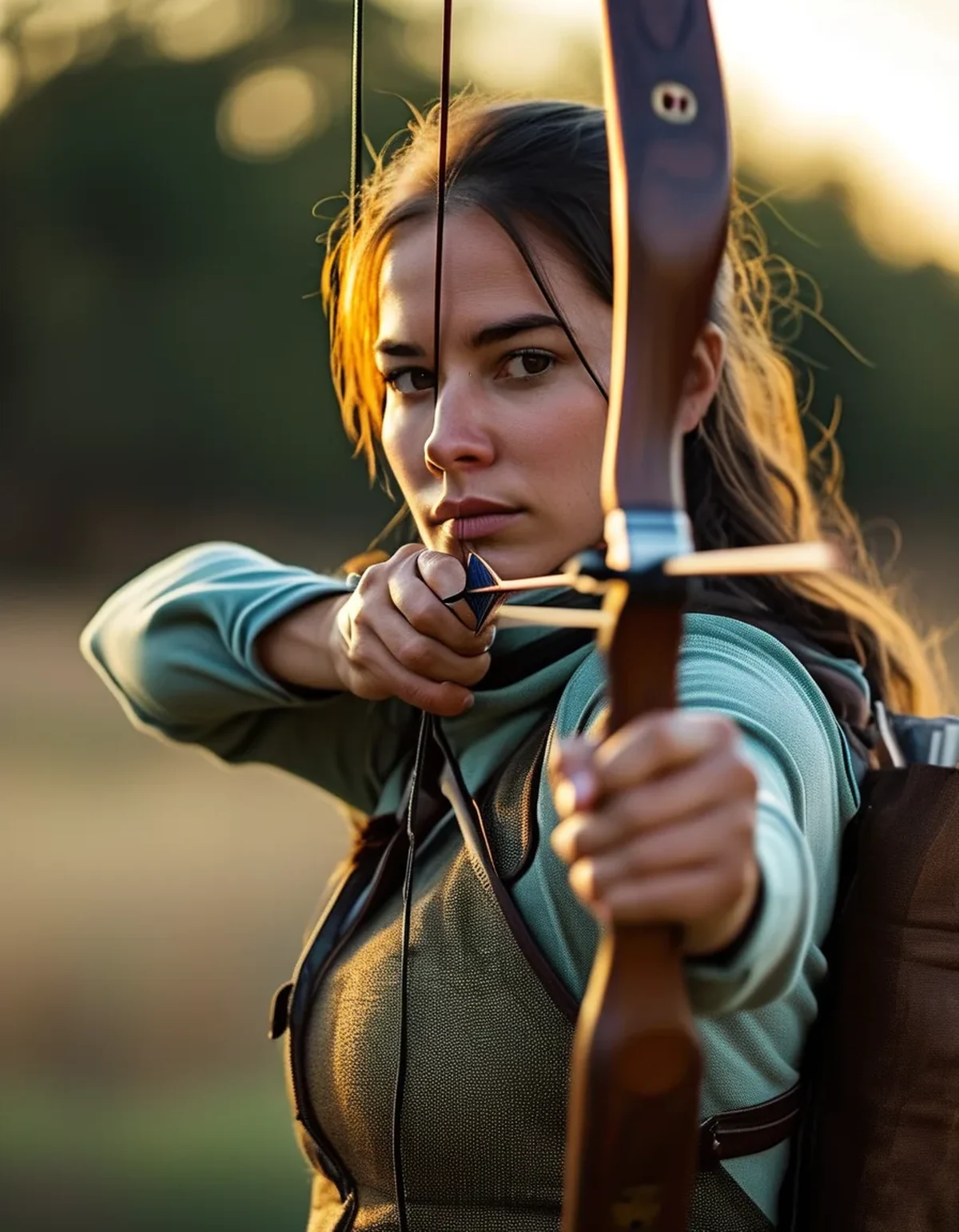
What is bow hand torque and why does it scatter arrows sideways?
Torque is rotational force applied to the bow around its vertical axis by your bow hand. Grip the handle and any asymmetry in your finger pressure twists the bow slightly. That twist is present at the moment of release, when the string is transferring energy into the arrow.
The arrow leaves in the direction the bow is pointing at that instant. A tiny rotation at the bow translates into a substantial lateral miss at distance, because the error multiplies with range - which is why torque problems look mild at 10 metres and severe at 40.
Why it shows up specifically as left-right spread:
- Torque rotates the bow around a vertical axis, so the error is horizontal
- Grip pressure varies subtly shot to shot, so the amount of rotation varies - hence spread rather than a consistent offset
- If your grip is consistently torqued in one direction you get a consistent lateral offset, which people usually correct with the sight, hiding the problem until pressure varies again
How to distinguish it from other causes:
- Torque: horizontal spread, worse at distance, worse when tired, often with visible bow jump sideways after release
- Release or plucking: usually a consistent direction, often with a felt sideways string movement
- Anchor inconsistency: typically produces vertical spread as well as horizontal
- Wind: varies with conditions rather than with your fatigue level
If your vertical grouping is good and horizontal is poor, look at the bow hand first.
Where exactly should the grip sit in your hand?
There is a well-established answer and it feels wrong for the first hundred arrows.
Placement. The grip sits in the web between thumb and index finger, then runs diagonally across the palm at roughly 45 degrees, contacting only the thumb-side pad of the hand - the fleshy area at the base of the thumb. It should not sit across the middle of the palm.
Why that spot: it puts the pressure point in line with the bones of your forearm, so the force from the bow travels straight through the skeleton rather than through muscle. Force through bone cannot torque. Force through a gripping palm can.
Hand position. The wrist stays relaxed and low to neutral, the knuckles at roughly 45 degrees to the bow rather than square to it. Square-on knuckles put the palm flat against the grip and reintroduce the torque you just removed.
Fingers. Relaxed and either lightly draped or fully off the grip. Curled fingers apply pressure and turn the bow.
How to check yours: draw at a blank target and look at where the grip contacts your hand. If you can see grip pressure across the middle of the palm, or your knuckles are square to the bow, that is the problem. Also look at your palm after a session - a pressure mark across the centre confirms it.
How do you stop holding the bow at all?
This is the part that sounds alarming and is the actual solution: you stop holding the bow and let a sling hold it instead.
Use a sling. A finger sling, wrist sling, or bow sling catches the bow after the shot so you do not have to grip it to stop it falling. Without a sling, you must grip - and gripping means torque. The sling is not an accessory, it is what makes a relaxed hand possible.
Progression to a relaxed hand, over two or three sessions:
Step 1 - blank bale with a sling on. Shoot at a close target with no aiming, focusing only on the hand. Let the bow jump forward into the sling after release. 20 arrows.
Step 2 - deliberately open the fingers. At full draw, straighten your fingers so they are clearly off the grip. It will feel like the bow is about to fall - the sling has it. 20 arrows.
Step 3 - relaxed and slightly curled. Return to a natural relaxed hand, fingers loosely curved but applying no pressure. 20 arrows.
Step 4 - add the target back. Return to normal shooting and check the hand between ends rather than during shots.
What a good shot looks like: the bow rotates forward and slightly down after release, into the sling, with no sideways movement. Sideways bow movement after release is the clearest visible sign of torque there is - film it from behind if you can, and it is usually obvious in the first two shots.
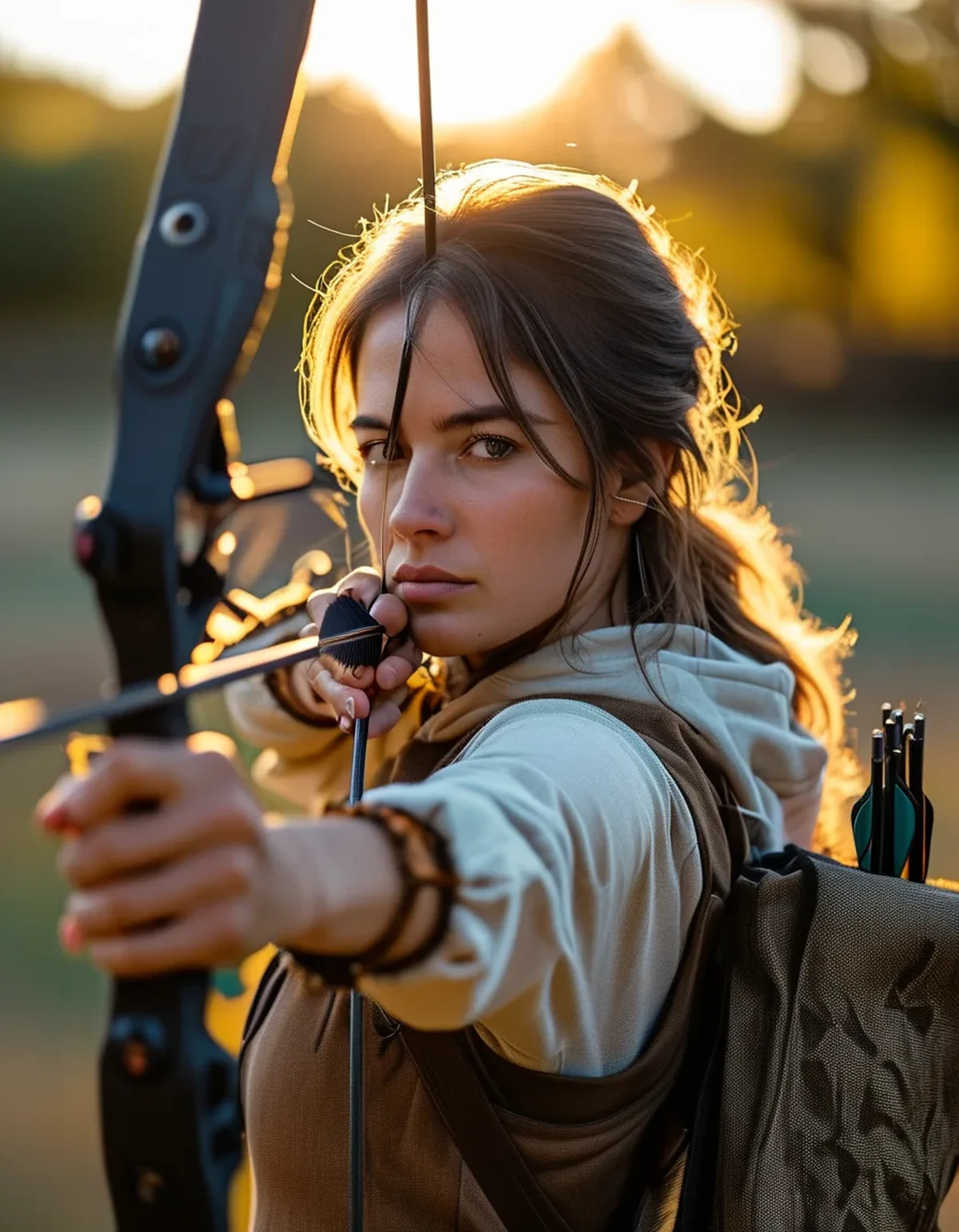
Myth vs Fact: Bow Hand and Grip
Myth: You need a firm grip for control. Fact: The opposite. The bow does not need controlling during the shot; it needs to be pointed and then left alone. Every bit of grip pressure is a chance to rotate it. Control comes from consistent placement, not from holding on.
Myth: A relaxed hand means the bow will fall. Fact: It will move forward, which is why a sling exists. Shooting without a sling forces a grip and guarantees torque, which is why slings are near universal in target archery at every level.
Myth: Torque only matters for recurve. Fact: It affects compound bows too. Compound grips are often narrower specifically to reduce hand contact, but a torqued compound still throws arrows sideways at distance.
Myth: If your groups are centred, your grip is fine. Fact: A consistently torqued grip produces a consistent offset, which you then correct out with the sight. It looks fixed until you get tired or cold and the pressure changes, at which point the group moves and you have no idea why.
Myth: You can fix torque by adjusting your sight. Fact: Sight adjustment moves the group. It cannot reduce spread, because spread comes from shot-to-shot variation. If your group size is the problem rather than its position, the sight is the wrong tool.
What should you check when it comes back?
Torque returns, particularly under fatigue and in cold weather. A short checklist between ends catches it early.
Check the pressure point. Before drawing, look at where the grip meets your hand. Web between thumb and index, diagonal across the palm, thumb pad only.
Check the knuckle angle. Roughly 45 degrees. If they have drifted square to the bow, reset.
Check the wrist. Relaxed and low. A locked or high wrist usually comes with grip tension.
Check whether you can feel the grip in your fingers. If yes, you are gripping. The answer should be that you feel it only in the thumb pad.
Watch the bow after release. Forward and down is right. Sideways or twisting means torque was present on that shot.
Three situations where it reliably comes back:
- Cold hands. Cold fingers grip involuntarily. Keep a hand warmer between ends in autumn and winter.
- Fatigue late in a session. As the bow arm tires, the hand compensates by gripping. This is why groups often open in the last few ends - it is not concentration, it is the hand.
- A bow that is too heavy in draw weight. If you cannot hold the bow arm steady, you will grip to stabilise it. That is a draw weight problem wearing a grip problem’s clothes, and no amount of hand technique fixes it.
If you get wrist or hand pain, or numbness in the bow hand, get it looked at rather than shooting through it. This is general information, not medical advice.
FAQ: Bow Hand Torque Questions, Answered
Do I really need a sling?
If you want a relaxed bow hand, yes. Without one, you have to grip to keep the bow from dropping, and gripping is the mechanism that torques. Finger slings are inexpensive and used by target archers at every level.
How do I know if it is torque or my release?
Torque tends to produce horizontal spread that worsens with distance and fatigue, and visible sideways bow movement after release. Release problems usually push the group in one consistent direction and often come with a felt sideways string movement. Filming from behind separates them quickly.
Can a different grip shape help?
Sometimes. Grips vary in width and angle, and a narrower or lower-wrist grip reduces palm contact and makes a relaxed hand easier. Fix the placement first though - a new grip held wrongly is still torqued.
Why does my bow hand grip when I am aiming longer?
Holding at full draw for longer means more time for the bow arm to fatigue, and the hand compensates. If you routinely hold long, shortening your aiming time and shooting more decisively often solves both the torque and the fatigue.
TL;DR:
- Horizontal spread with a consistent anchor usually means bow hand torque
- Place the grip in the thumb-index web, diagonal across the palm, contacting only the thumb pad
- Keep knuckles around 45 degrees and the wrist relaxed and low
- Use a sling so you never have to grip - a relaxed hand is impossible without one
- Sideways bow movement after release is the visible tell; forward and down is correct
- It returns with cold hands, fatigue, and too much draw weight
The bow hand is the least-coached part of the shot and one of the most consequential, because it is the last thing touching the bow while the arrow is still on it. Hold it less, let the sling do its job, and horizontal groups usually tighten within a couple of sessions.
Keep Reading
This article is for general informational and styling purposes only. Fit, sizing, and product availability may vary.