5 Signs Your Bow's Draw Weight Is Too Heavy for You (and Why It Matters More Than You Think)
Quick Answer: If you can’t hold at full draw for at least a few seconds without shaking, your anchor point shifts shot to shot, or you’re leaning back to help pull, your draw weight is likely too heavy. Dropping 5-10 pounds often fixes form issues that months of practice couldn’t.
A lot of archery advice focuses on stance, release, and follow-through. But if your draw weight is fighting you, no amount of form coaching will fully fix the shakiness and inconsistency you’re seeing downrange.
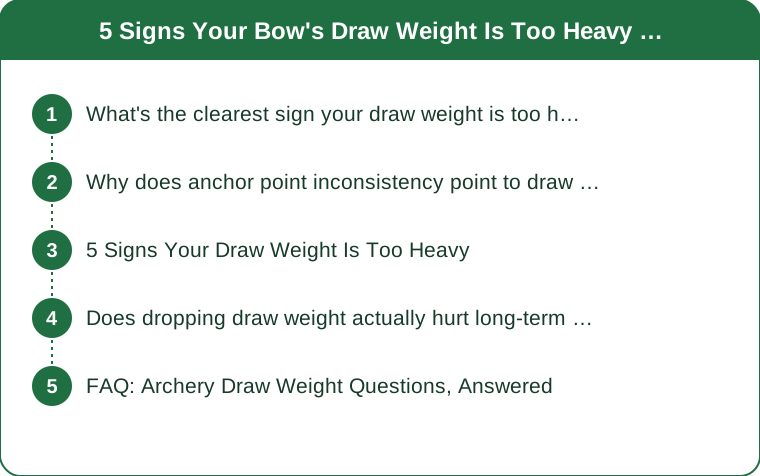
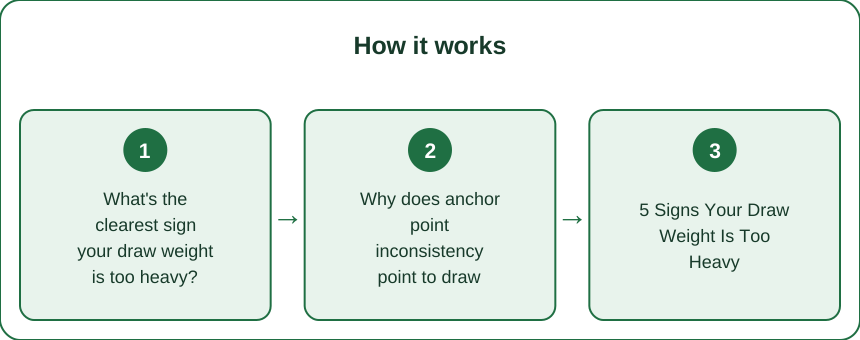
What’s the clearest sign your draw weight is too heavy?
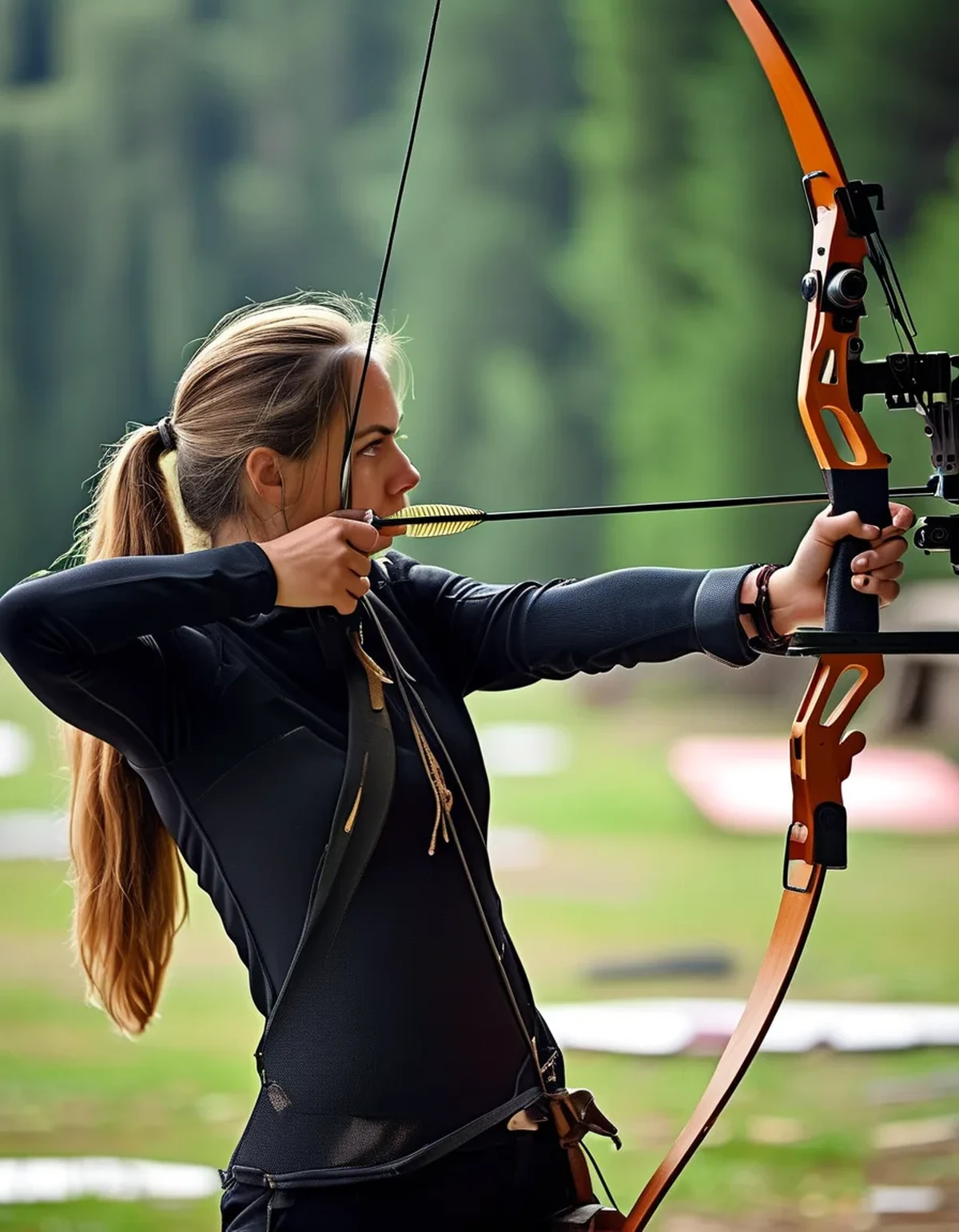
Inability to hold steady at full draw. If you reach full draw and immediately start shaking or feel the need to release right away instead of settling into your anchor point, that’s your body telling you the weight exceeds what you can control, not just what you can pull.
There’s a real difference between the effort of drawing the bow and the control needed to hold and aim it — draw weight problems usually show up in the holding, not the pulling.
Why does anchor point inconsistency point to draw weight specifically?
Because a heavy draw weight makes your muscles fatigue mid-hold, causing your anchor point (where your hand consistently touches your face) to drift shot to shot as you fight to maintain the pull. Consistent anchor point is one of the foundational elements of accuracy — if it’s drifting because of fatigue rather than inattention, the weight is the root cause, not your focus.
Coaches often catch this before archers do, because from the outside a drifting anchor looks identical whether it’s caused by weight or by carelessness.
5 Signs Your Draw Weight Is Too Heavy
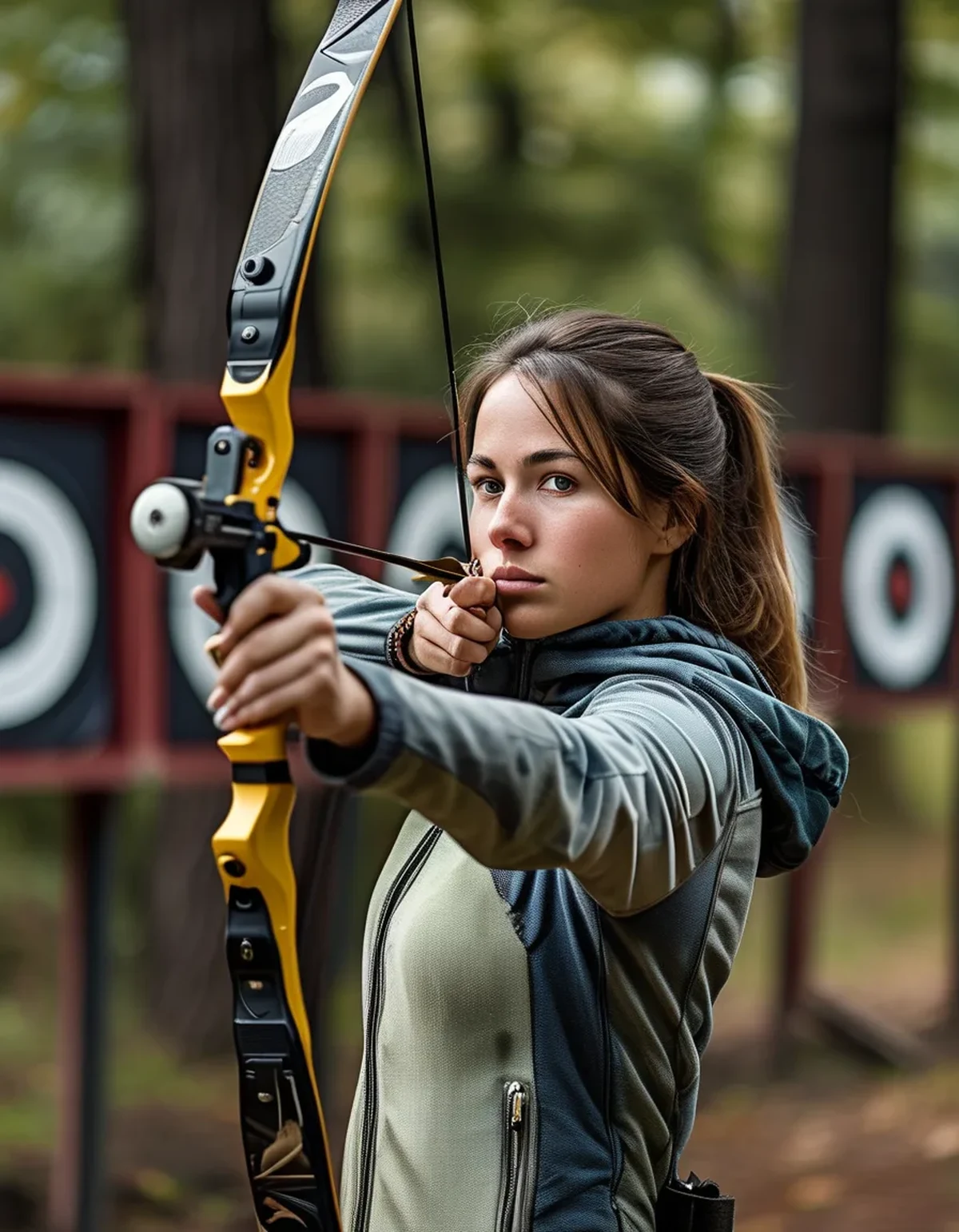
1. You lean back or use your whole body to help pull, instead of isolating back muscles.
2. Your bow arm shakes noticeably during the aiming window.
3. You release early, before you’ve actually settled and aimed, because holding is uncomfortable.
4. Shoulder or upper back soreness after a normal session that wasn’t there at a lower weight.
5. Grouping gets worse as a session goes on, as fatigue compounds shot after shot instead of your consistency staying flat.
Does dropping draw weight actually hurt long-term strength progress?
No — this is a common worry that holds people back from adjusting down. Archery strength is built through consistent, controlled reps, not through fighting a weight you can’t yet control. Shooting a manageable weight with good form for months builds more usable strength than fighting a heavy weight with breakdown form.
Most archery coaches recommend starting lighter than feels impressive and working up gradually as hold time and consistency improve, rather than the reverse.
FAQ: Archery Draw Weight Questions, Answered
How much should I drop draw weight if I’m seeing these signs?
A 5-10 pound reduction is a common starting adjustment — enough to restore control without feeling like you’ve lost meaningful progress.
How long should I hold at full draw before releasing?
A controlled hold of 3-5 seconds while you settle and aim is a reasonable target — if you can’t get close to that without shaking, the weight is likely too heavy.
Will a lighter draw weight hurt my accuracy?
Usually the opposite — most archers see accuracy improve at a manageable weight because form and consistency get easier to maintain shot after shot.
TL;DR:
- Shaking at full draw, drifting anchor point, and leaning back to pull all point to excessive draw weight
- Fatigue-driven inconsistency looks like a focus problem but is often a weight problem
- Dropping 5-10 pounds often resolves form issues faster than months of coaching
- Building strength at a manageable weight beats fighting a heavy one with broken form
If your groups are getting worse as a session goes on, check your draw weight before you check your technique.
Keep Reading
This article is for general informational and styling purposes only. Fit, sizing, and product availability may vary.