Why Does Archery Hurt Your Elbow or Forearm? String Slap and Form Fixes
Quick Answer: Forearm pain or bruising in archery is most commonly ‘string slap’ — the bowstring hitting your forearm on release, usually from improper elbow rotation or bow arm positioning — while true elbow pain often points to overuse or grip tension; both have specific, fixable causes.
You pull back, release, and feel the string snap against your forearm — again. This isn’t bad luck or a hazard of the sport you just have to accept; it’s almost always a specific, correctable form issue.
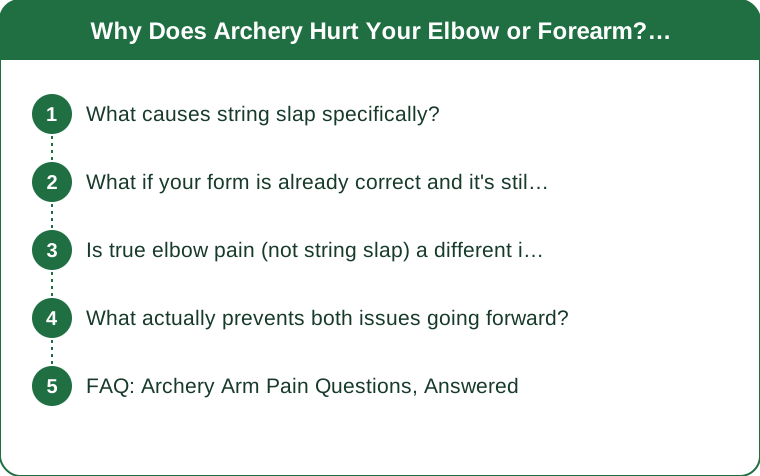
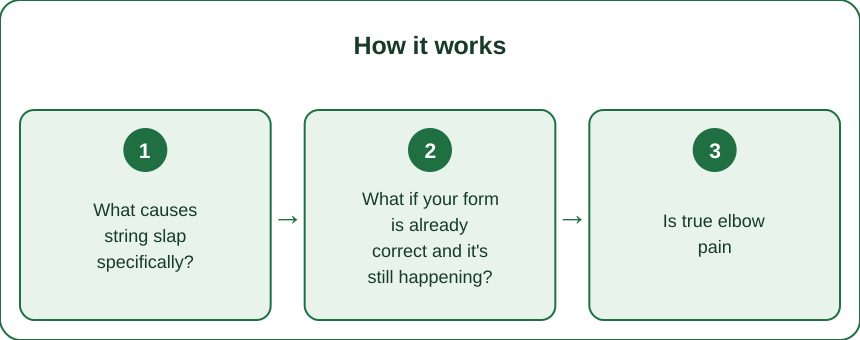
What causes string slap specifically?
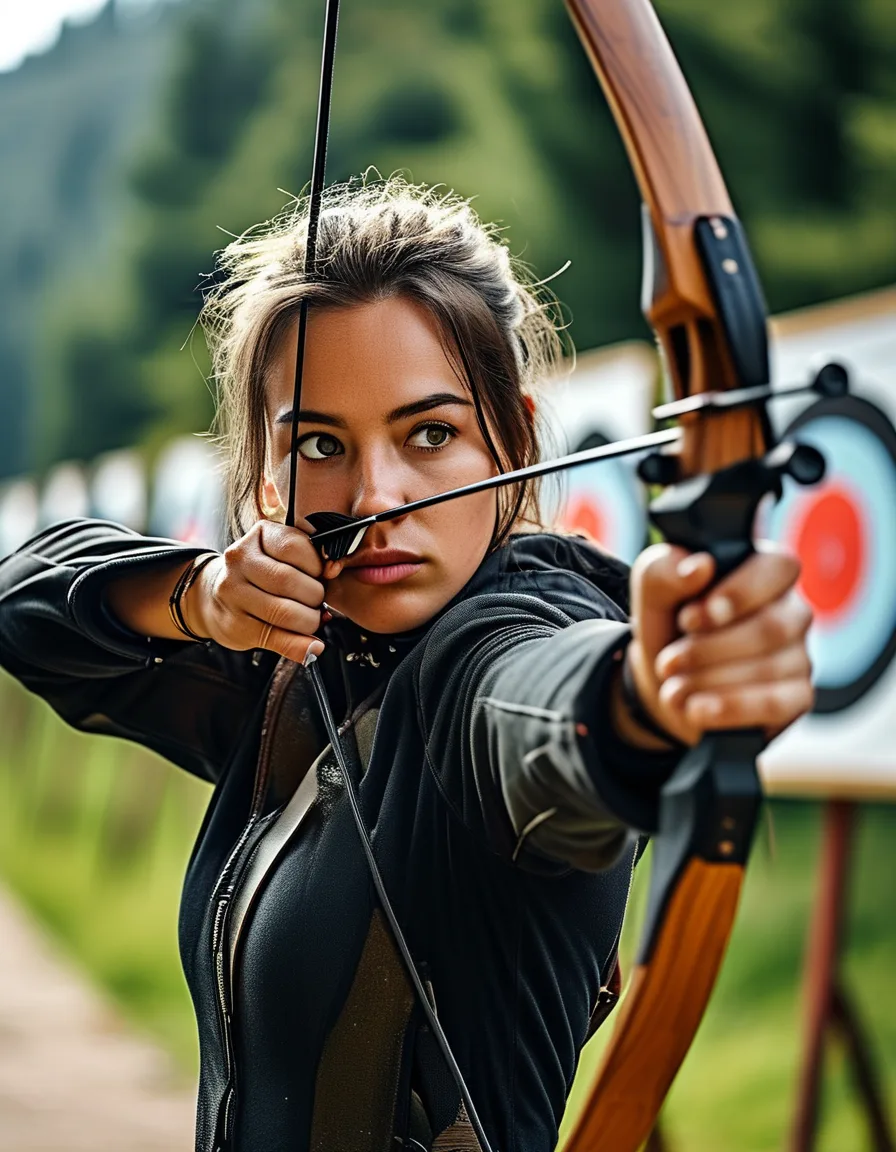
String slap happens when your bow arm elbow isn’t rotated properly — if your elbow joint is pointed directly at the target rather than slightly rotated outward, the string’s follow-through path after release has nowhere to go except across your forearm.
The fix: rotate your bow arm so the elbow crease points more toward the ground or slightly outward, not straight up toward the string’s travel path. This single adjustment resolves the majority of string slap cases, often within the same practice session.
What if your form is already correct and it’s still happening?
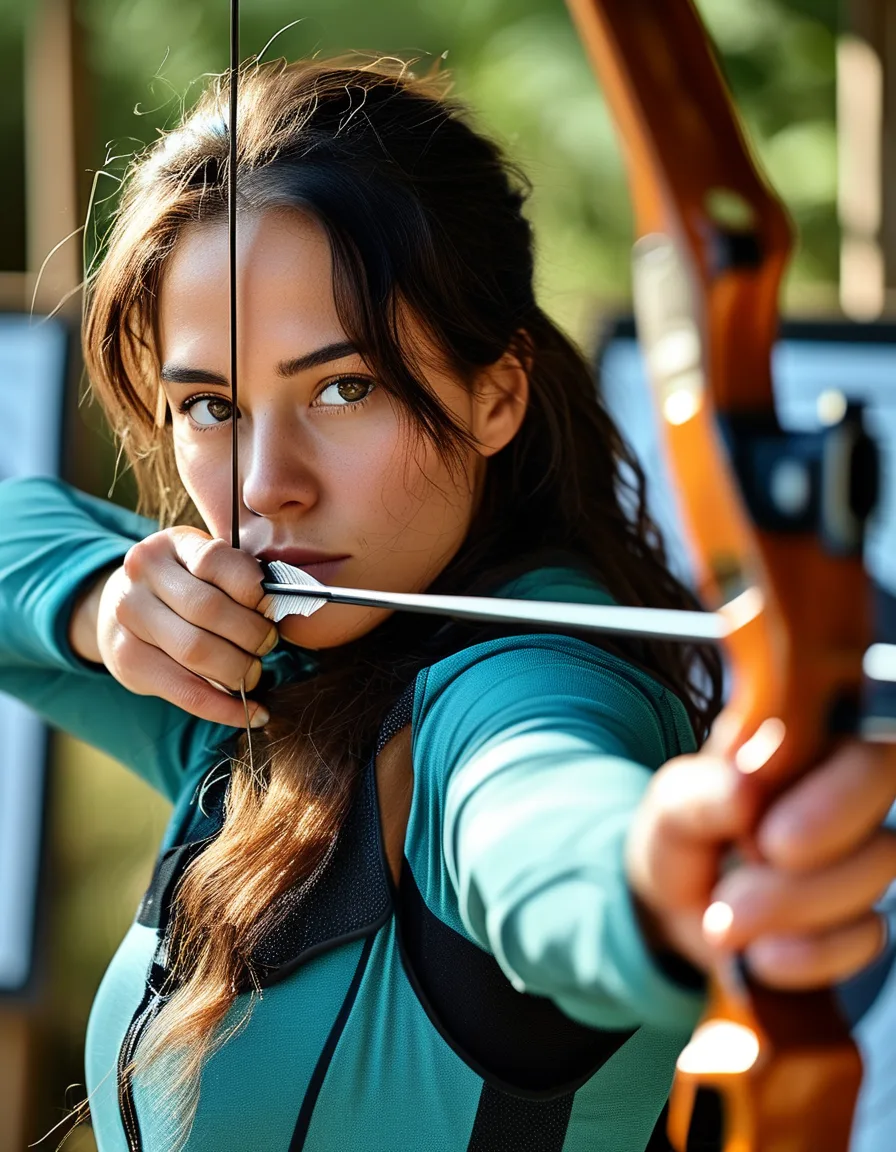
Check bow arm positioning relative to your body — standing with your bow shoulder pulled too far forward, or gripping the bow with excess tension, can pull your forearm back into the string’s path even with otherwise decent elbow rotation.
A looser, more relaxed bow-hand grip (letting the bow rest in your hand rather than gripping it tightly) also reduces string slap, since a tense grip tends to pull the forearm subtly closer to the string’s line of travel.
Is true elbow pain (not string slap) a different issue?
Yes — true elbow pain, especially on the drawing arm side, is more often an overuse issue related to repetitive draw motion, similar in mechanism to tennis or golfer’s elbow, and tends to build gradually rather than happening on a single shot.
This usually points to either too much practice volume too quickly, or draw weight that’s too heavy for your current conditioning — both are addressed by reducing volume or weight temporarily and rebuilding gradually, not by pushing through.
What actually prevents both issues going forward?
For string slap: a proper arm guard as a safety backup, but treat it as a backup, not a form fix — relying on a guard while ignoring elbow rotation just means you’ll still feel the impact, just with less bruising.
For overuse elbow pain: build draw volume gradually (a common guideline is limiting increases to roughly 10% more volume per week), and consider a lighter draw weight while focusing on form during high-volume practice sessions.
For both: having an experienced coach or instructor watch your form for even one session often catches issues that are hard to self-diagnose, since you can’t easily see your own elbow rotation mid-shot.
FAQ: Archery Arm Pain Questions, Answered
Does an arm guard actually prevent string slap?
It reduces bruising and pain from string slap when it happens, but doesn’t fix the underlying form cause — think of it as protection, not correction.
How long does it take to fix string slap through form changes?
Many archers notice significant improvement within a few practice sessions once elbow rotation is consciously corrected, sometimes even within the same session.
Should elbow pain from archery ever be checked by a professional?
Yes, if it’s persistent, worsening, or interfering with daily activities beyond archery — that pattern suggests more than simple form-related overuse and deserves proper evaluation. This is general information, not medical advice.
TL;DR:
- String slap usually comes from insufficient bow arm elbow rotation — rotate elbow crease outward/downward
- A relaxed bow-hand grip also reduces string slap versus a tense, tight grip
- True elbow pain (not slap) often points to overuse or draw weight that’s too heavy
- An arm guard protects against string slap but doesn’t fix the underlying form cause
This is general information, not medical advice — persistent elbow pain deserves a professional look.
Keep Reading
This article is for general informational and styling purposes only. Fit, sizing, and product availability may vary.