Why Archery Is Quietly Recommended for Anxiety (It's Not Just the Exercise)
Archery shows up on anxiety-management recommendation lists more often than most sports, and it isn’t just because it involves some physical activity — the sport has specific mental mechanics that generic cardio doesn’t replicate. Here is why those mechanics calm anxiety, which parts of the process actually do the work, and how to start without any pressure to hit the target yet.
Why Archery’s Mechanics Calm Anxiety Specifically
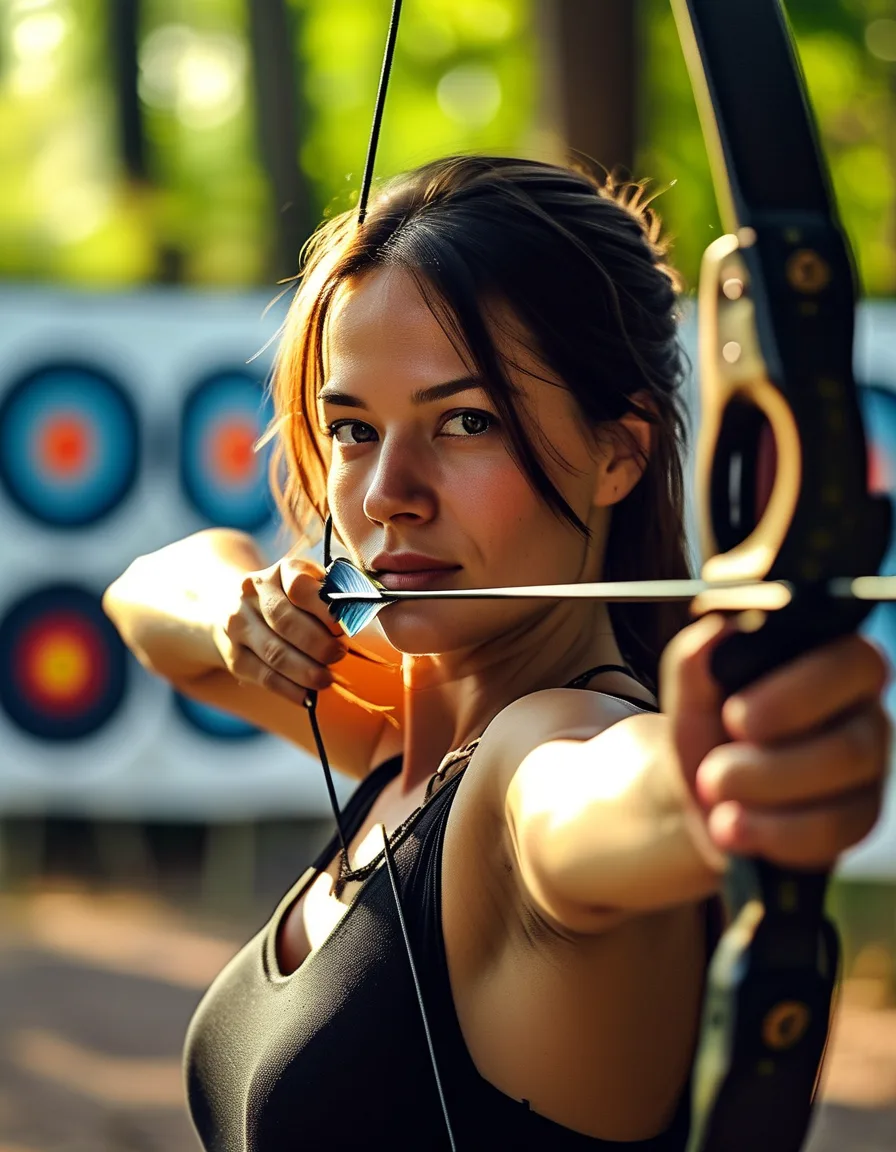
The mental mechanism: the the-forced-single-point-focus (the draw-and-release sequence demanding total attention on one narrow task, crowding out anxious rumination by necessity — the anxiety-can’t-compete-with-the-focus-demand), the the-breath-and-release-link (the good form requiring a controlled exhale through the release, functionally similar to breathwork techniques — the breathwork-hidden-inside-a-sport), the the-present-moment-forcing (the archery mental-game logic requiring full presence in the current shot, not the last one or the next — the the-past-shot-is-irrelevant-by-design), the the-repetitive-ritual-structure (the same stance-draw-aim-release sequence repeated identically, offering the calming predictability of ritual — the ritual-lowers-uncertainty), the the-outdoor-and-quiet-setting (the sport typically practiced outdoors in quiet, low-stimulation settings that support calm on their own — the setting-does-half-the-work), and the reframe (the archery-anxiety link as the sport’s forced single-point focus, breath control and ritual structure doing work that generic exercise’s more distracted, variable movement doesn’t replicate as reliably).
The Parts of the Process That Do the Work
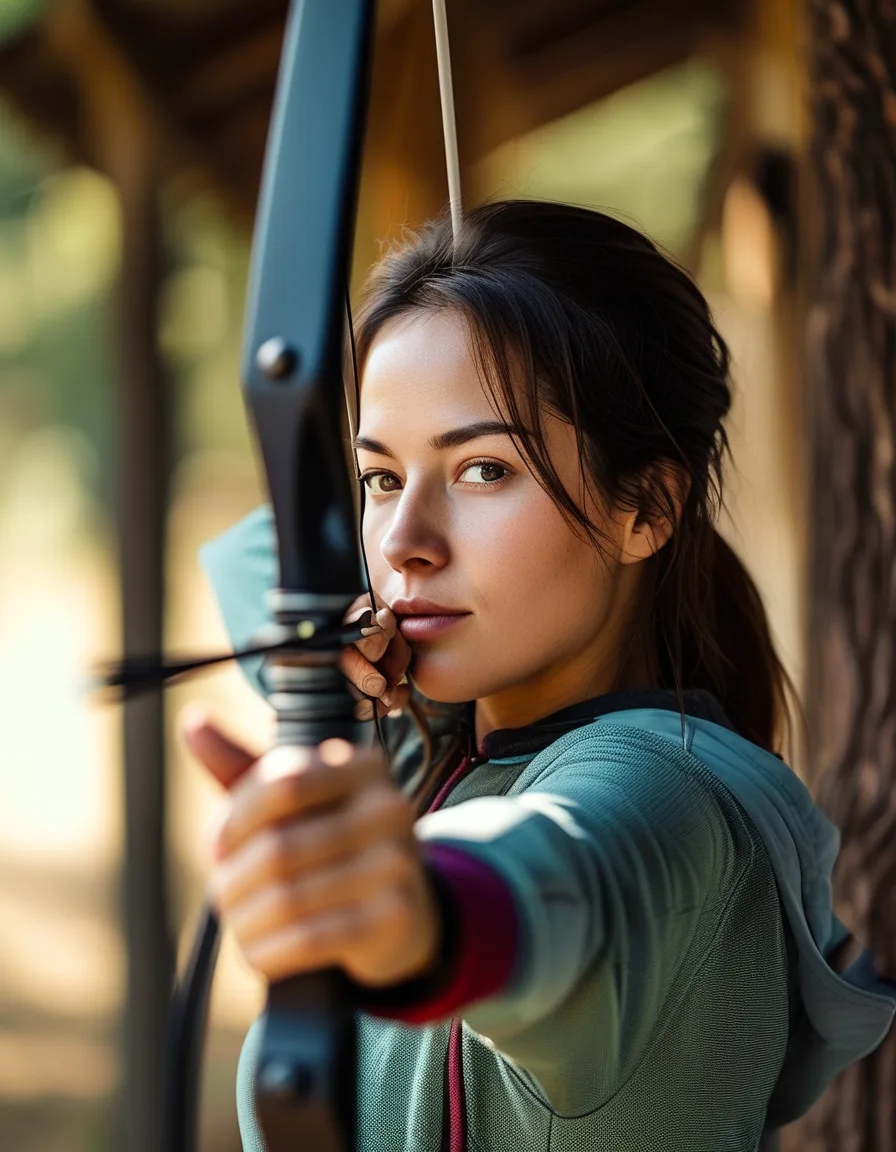
Where the calming effect actually lives: the the-stance-and-setup (the deliberate, unhurried setup phase functioning like a grounding exercise before each shot — the slow-setup-is-part-of-the-calm), the the-draw-as-controlled-tension (the drawing the bow requiring sustained physical tension released deliberately, mirroring progressive muscle relaxation techniques — the tension-and-release-built-in), the the-aim-as-forced-stillness (the aiming phase demanding physical and mental stillness simultaneously — the stillness-is-the-point-not-a-side-effect), the the-release-as-letting-go (the literal physical release paralleling the letting-go language used in anxiety management — the metaphor-is-also-literal), the the-follow-through-and-reset (the pause after each shot before resetting offering a built-in recovery beat — the the-process-has-a-natural-pause), and the frame (the process itself as a structured tension-focus-release-reset cycle repeated shot after shot — the calming effect is built into the mechanics of the sport, not an incidental side effect of getting outside).
How to Start Without Pressure to Be Accurate
Removing the performance anxiety: the frame-early-sessions-as-form-only (the first sessions focused entirely on stance and draw, with accuracy explicitly not the goal from the beginner-archery-guide-women logic — the form-first-score-never), the the-no-scorekeeping-permission (the deliberately not tracking hits or misses in early practice — the removing-the-metric-removes-the-pressure), the the-shorter-sessions-are-fine (the twenty minutes of calm, unhurried practice beating an hour of frustrated effort — the duration-doesn’t-prove-commitment), the the-solo-practice-option (the practicing alone or with an instructor rather than in a group setting if performance anxiety around others is a factor — the choose-your-pressure-level), the the-let-the-ritual-be-the-goal (the treating the repeated stance-draw-release cycle itself as the session’s success, target hit or not — the process-is-the-win), and the frame (the pressure-free start as form-only sessions, no scorekeeping, shorter practice windows, and solo options — the calming mechanics work whether or not a single arrow lands where intended, so accuracy can wait).
Archery calms anxiety through mechanics that generic exercise doesn’t replicate as reliably: the draw-and-release sequence forces single-point focus that crowds out rumination, requires a controlled breath through the release, and repeats an identical stance-draw-aim-release ritual that offers the predictability anxious minds often lack elsewhere. The calming effect lives specifically in the deliberate setup, the sustained-tension-then-release of the draw, the forced stillness of aiming, and the natural pause built into resetting for the next shot. Start without performance pressure by treating early sessions as form-only with no scorekeeping, keeping sessions short, practicing solo if group settings add stress, and letting the ritual itself — not the target — be the measure of a good session.
Keep Reading
This article is for general informational and styling purposes only. Fit, sizing, and product availability may vary.