What Changes in Your Archery Shot When It Gets Cold
Quick Answer: Cold affects three things independently - your hands lose fine motor control and sensation below roughly 60F, bow limbs and strings become marginally stiffer which shifts point of impact, and the extra clothing changes your anchor and string clearance. Address them in that order. Most cold-weather accuracy loss is hands and clothing, not form, and the fix is usually a glove strategy and a re-checked anchor rather than a technique overhaul.
Same bow, same distance, same you - and the groups have opened up by half again since September.
Three things changed, and none of them is your form.
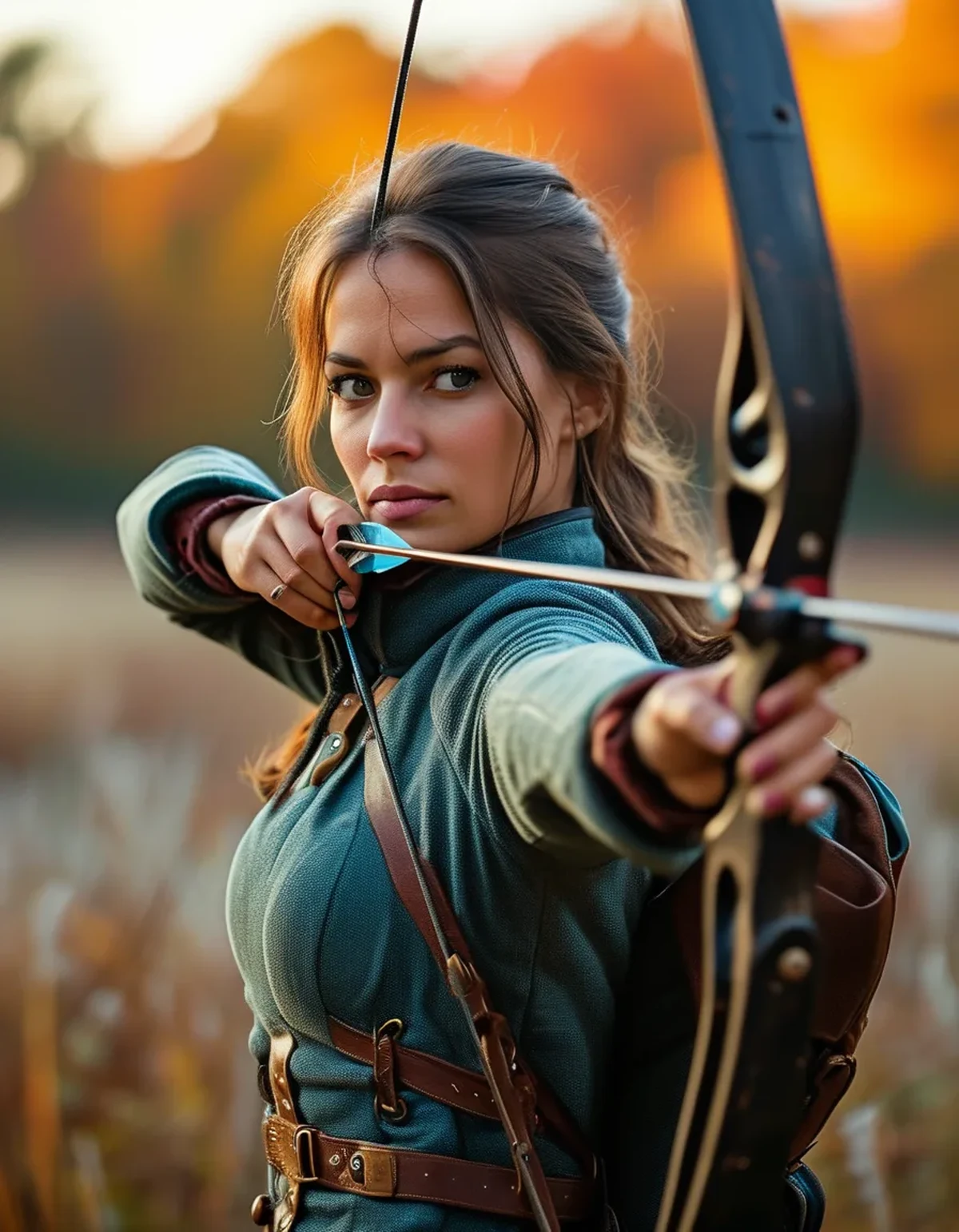
What happens to your hands, and why it matters most
Fine motor control degrades well before your hands feel cold, and archery is almost entirely a fine motor task.
As skin temperature drops, blood flow to the fingers reduces first. The consequences are specific: less tactile feedback through the fingertips, slower and less precise small-muscle control, and reduced consistency in release pressure.
Release is the part that suffers most. A clean release depends on relaxing the fingers in a consistent way, and cold hands relax inconsistently. That produces exactly the symptom people report - horizontal spread that was not there in September.
The practical implication is that hand management is the highest-value intervention available, and it is preventative. Once hands are cold on the line, restoring them takes longer than the gaps between ends. Keep them warm from the start: pockets between ends, a hand warmer in your quiver pocket, and a glove on the bow hand at minimum.
Does the bow itself shoot differently?
Yes, though less than most archers assume.
Limb materials become marginally stiffer in the cold, which can raise draw weight very slightly. String and cable materials contract a small amount, which can change brace height and effectively shift your tune.
The more meaningful effect for most people is air density. Cold air is denser than warm air - roughly 8-10% denser at 35F than at 85F - so an arrow experiences more drag. At close distances this is negligible. At 50 or 70 meters it is enough to drop point of impact noticeably.
The combined result is usually a small downward shift at longer distances. Rather than adjusting your form to chase it, re-sight at your practice distance on the first genuinely cold day and note the setting. Most archers who shoot year-round simply keep a cold-weather sight mark.
One genuine equipment note: check your string wax. Cold and dry conditions accelerate string wear, and a dry string is both slower and less consistent.
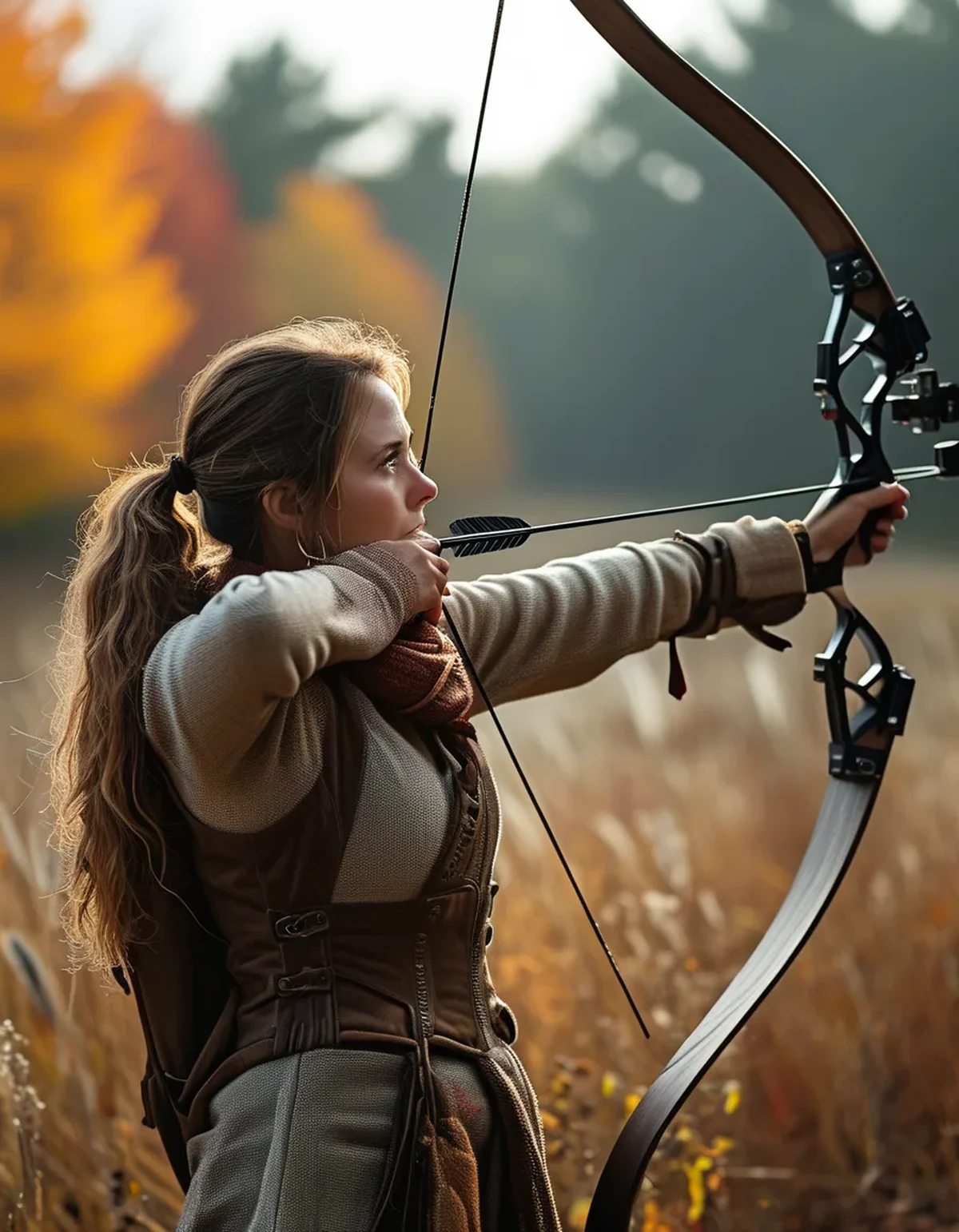
How does clothing change your shot?
This is the most underestimated factor and the easiest to fix.
Extra layers interfere in several specific ways:
- String clearance at the chest and bow arm. A puffy layer that the string catches on will destroy accuracy and can be genuinely painful. This is the first thing to check.
- Anchor point. A hood, a high collar, or a hat changes where your hand contacts your face. Even a few millimeters of difference in anchor is a real accuracy cost.
- Shoulder mobility. Bulky layers restrict the draw and can shorten your draw length slightly without you noticing.
- Chest protector fit over layers, if you use one, changes completely from summer.
The test is simple: draw at full weight without shooting, at the line, with everything on. Have someone check string path, or draw against a mirror. A layer that catches will announce itself immediately.
The general solution is thin and close-fitting on the upper body with the warmth in the base layers, not the outer, plus an arm guard over the layer rather than under it.
5 Mistakes Everyone Makes Shooting in the Cold
1. Blaming form first. Form is the last thing to check, not the first. Chasing a technique fix for a hands-and-clothing problem builds a compensation you will have to unlearn in spring.
2. Skipping the warm-up because it is cold. Backwards. Cold muscles need more preparation, not less, and the shoulder is the joint most exposed here. Band work before you draw is worth more in November than in July.
3. Shooting the same volume as summer. Cold plus fatigue degrades form faster. Shorter sessions with more warm-up beat long sessions where the last third is practicing bad reps.
4. Wearing thick gloves on the drawing hand. It removes exactly the tactile feedback that release depends on. Keep the drawing hand bare or in a thin glove, keep it warm between ends, and put the insulation on the bow hand where it costs nothing.
5. Not re-checking sight marks. Then attributing the drop at distance to form and adjusting technique to compensate. Re-sight on the first cold day and write it down.
FAQ: Cold Weather Archery Questions, Answered
How cold is too cold to shoot?
There is no fixed limit, but below about 40F most people find hand management becomes the dominant constraint, and below freezing equipment behavior changes enough that indoor practice is usually more productive. The limiting factor is almost always consistency, not safety.
Should I switch to indoor over winter?
If you have the option, it is worth doing for at least part of the winter - the shorter distances let you work on form without the wind and drag variables, and consistent conditions make it much easier to tell whether a change actually helped. Many archers split the difference: indoor for form work, outdoor when conditions allow.
Do I need a different arrow spine for cold weather?
No. The temperature effects on limb stiffness are far too small to warrant a spine change. If your tune shifts noticeably, check brace height and string condition first - those explain nearly all of it.
Why do my groups spread horizontally rather than vertically in the cold?
Horizontal spread points at release inconsistency, which is the hallmark of cold hands. Vertical spread at distance is more likely the air density and sight mark issue. The direction of the spread is genuinely diagnostic here.
TL;DR:
- Hands first. Fine motor control and release consistency degrade before your hands feel cold, and this causes most cold-weather accuracy loss.
- Keep the drawing hand bare or thinly gloved and warm it between ends. Insulate the bow hand instead.
- Denser cold air adds drag, so re-sight at distance on the first cold day and keep a cold-weather mark.
- Check string clearance and anchor with all your layers on before you shoot. Bulky outer layers are the hidden accuracy cost.
- Warm up more, shoot shorter sessions, and check form last rather than first.
- Horizontal spread suggests hands; vertical spread at distance suggests air density and sight marks.
The autumn accuracy drop is real and it is almost never a technique regression. Fix the hands, fix the layers, re-sight once, and most of the group size you lost comes straight back.
Keep Reading
This article is for general informational and styling purposes only. Fit, sizing, and product availability may vary.