Why Your Bowstring Keeps Slapping Your Forearm (and the Real Fix)
Quick Answer: Bowstring slap on the forearm is usually caused by bow arm positioning that’s too far into the string’s path — often from an elbow that’s not rotated enough or a grip that’s too tight — rather than just needing a bigger arm guard. Fixing the underlying form issue resolves it more reliably than protective gear alone.
An arm guard reduces the sting of string slap, but it doesn’t fix why it’s happening in the first place. In most cases, the real cause is a specific, correctable position issue with the bow arm.
What’s the actual form issue behind most string slap?
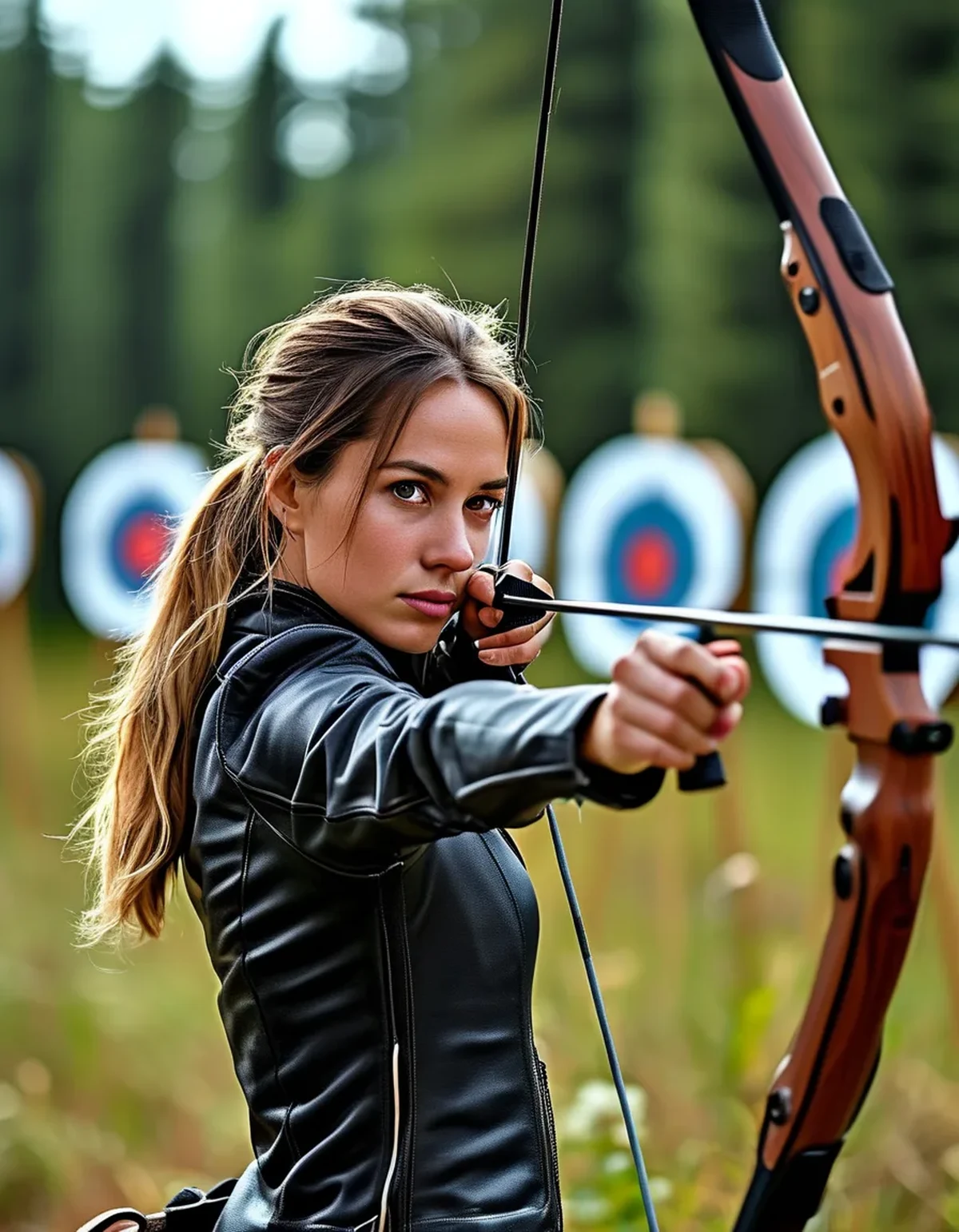
String slap most often happens because the bow arm’s elbow isn’t rotated enough away from the string’s path — when the elbow points too directly at the target instead of being slightly rotated outward, the inside of the forearm sits closer to where the string travels on release. This single positioning detail is behind the majority of chronic string slap cases.
Does grip tension play a role in string slap too?
Yes — a grip that’s too tight tends to pull the bow hand (and by extension, the forearm) inward toward the string’s path, while a relaxed grip allows the bow to naturally sit at an angle that keeps the forearm clear. This is part of why string slap often improves noticeably once a shooter learns to hold the bow with a lighter, more relaxed grip.
How do you actually correct elbow rotation to fix this?
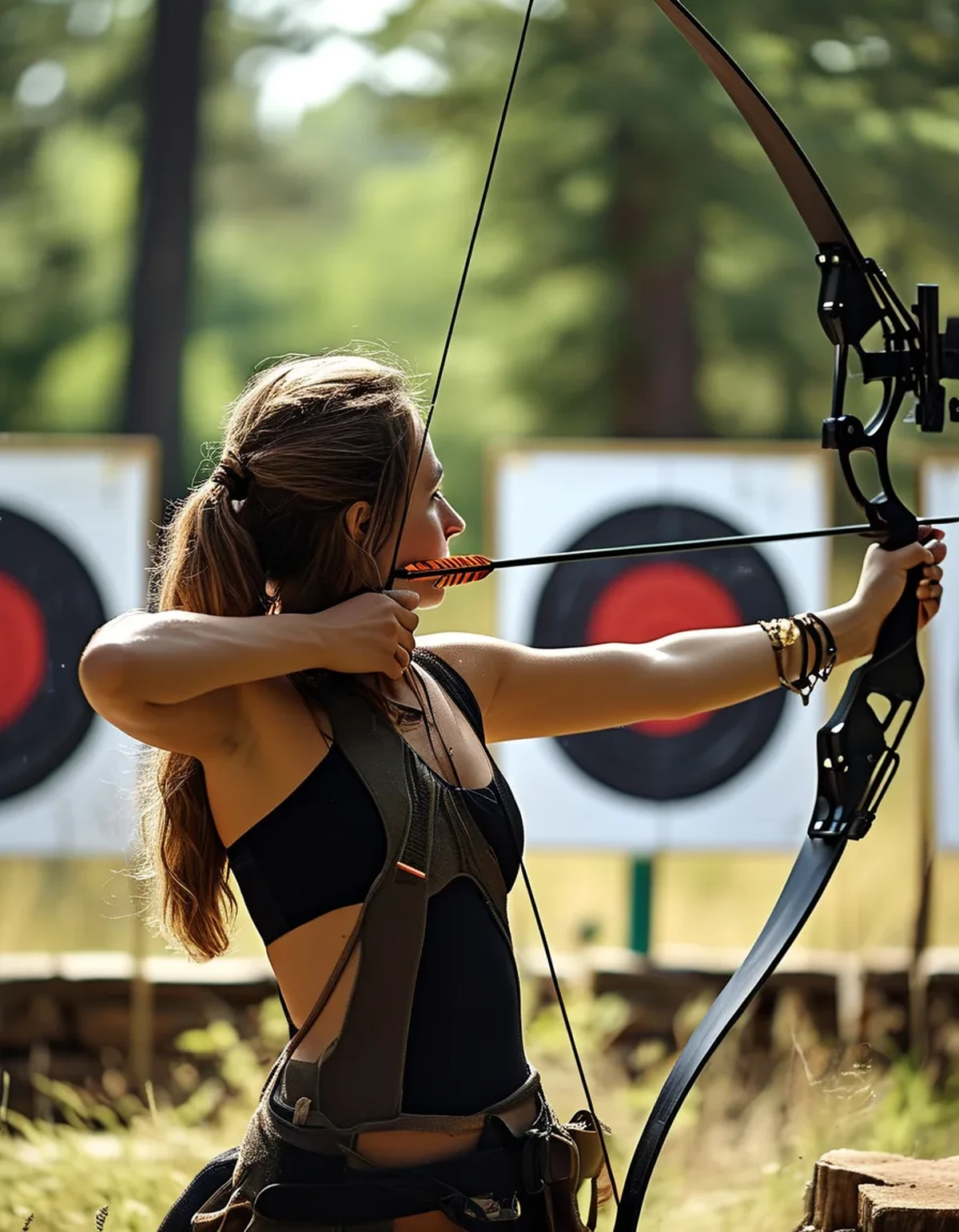
At full draw, before releasing, check that your bow-arm elbow crease points slightly outward, away from the string, rather than straight up or toward the target. Practicing this rotation at half-draw first, without releasing, and having someone check the angle from behind, is the fastest way to build the correct position into muscle memory before testing it with live shots.
Myth vs Fact: String Slap Causes
Myth: String slap just means you need a bigger arm guard. Fact: An arm guard reduces the impact but doesn’t address the underlying elbow or grip positioning causing the slap in the first place.
Myth: String slap is unavoidable for certain arm shapes or body types. Fact: While some body types are more prone to it, correct elbow rotation resolves or significantly reduces string slap for the vast majority of shooters, regardless of build.
FAQ: Bowstring Slap on the Forearm, Answered
Should I still wear an arm guard while fixing my form?
Yes — an arm guard is good practice regardless, and wearing one while correcting your elbow rotation protects you during the adjustment period without masking whether the fix is working.
How long does it typically take to correct elbow rotation and stop string slap?
Many shooters notice improvement within a few sessions of deliberate practice, though fully ingraining the new position into unconscious form can take several weeks of consistent attention.
Could my bow’s draw weight be contributing to string slap?
A draw weight that’s too heavy for your current strength can cause form breakdown, including elbow positioning, under fatigue — if slap worsens as a session goes on, draw weight may be a contributing factor worth addressing.
TL;DR:
- Most string slap traces back to insufficient elbow rotation on the bow arm, not the arm guard
- Grip tension that’s too tight pulls the forearm closer to the string’s path
- Practicing correct elbow rotation at half-draw builds the fix into muscle memory
- An arm guard is good practice, but form correction is what actually resolves the issue
Before assuming string slap is just something you have to guard against, check your elbow rotation — it’s usually the real fix.
Keep Reading
This article is for general informational and styling purposes only. Fit, sizing, and product availability may vary.