Why the Bowstring Keeps Hitting Your Forearm (and the 3 Fixes That Actually Work)
Quick Answer: Bowstring slap on your forearm almost always comes from bow arm rotation, elbow position, or grip tension — an arm guard manages the pain but doesn’t fix the cause, so the string keeps hitting until the underlying form issue is addressed.
You’ve got the arm guard, and it still stings every few shots. That’s a sign the guard is doing its job protecting you from a form issue that’s still there, not a sign you need a bigger guard.

What’s the most common cause of string slap?
Bow arm rotation — specifically, an elbow that’s rotated so the inside of the forearm faces the string path instead of angled slightly away. This single adjustment resolves string slap for a large share of archers without changing anything else about their form.
How does grip tension contribute to the problem?
A tight, high grip pushes your wrist and forearm into the string’s path as it releases. A relaxed, low grip (sometimes called a ‘handshake grip’) naturally rotates your forearm out of the way and reduces slap even with imperfect elbow rotation.
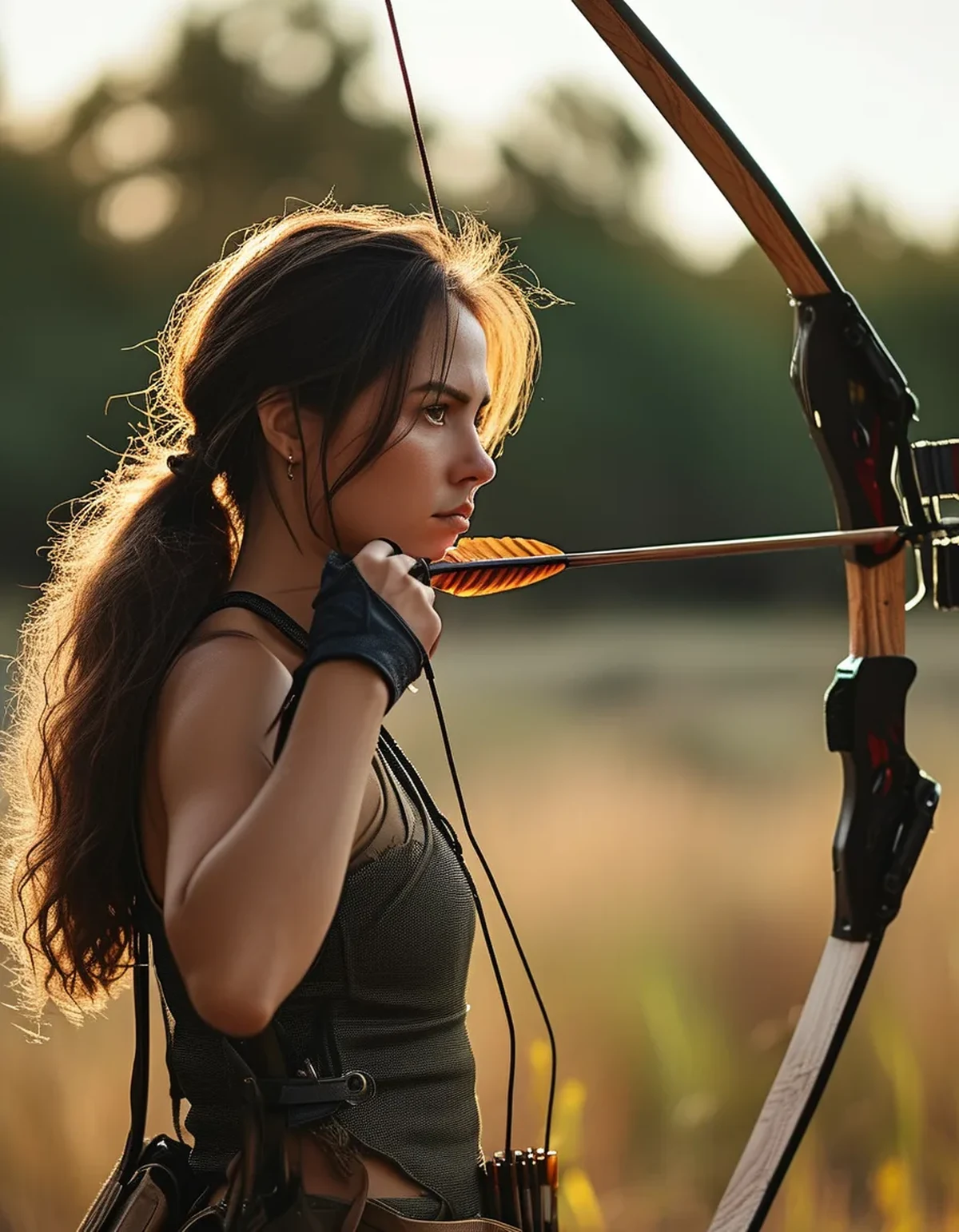
Myth vs Fact: Bowstring Slap
Myth: String slap just means you need a bigger arm guard. Fact: A guard reduces pain from an existing form issue — it doesn’t address why the string is hitting your arm in the first place.
Myth: Only beginners deal with string slap. Fact: Experienced archers can develop it too, often after equipment changes (a new bow, different draw weight) shift their form slightly without them noticing.
Myth: String slap is just part of archery you get used to. Fact: Consistent, correctly formed shots shouldn’t cause regular string contact — persistent slap is a form signal worth addressing, not a normal cost of the sport.
FAQ: Bowstring Slap Questions, Answered
Will a stronger arm guard fix string slap permanently?
It reduces the sting but doesn’t address the underlying rotation or grip issue causing contact — most people who fix their form eventually need the guard less, not more.
How do I check my elbow rotation myself?
Have someone photograph your bow arm at full draw from the side. The inside of your elbow should point slightly away from the string path, not directly into it.
Should I lower my grip if I have string slap?
A lower, relaxed grip is worth trying, but change one variable at a time — adjusting grip and elbow rotation simultaneously makes it hard to tell which fix actually worked.
TL;DR:
- String slap usually traces to bow arm rotation or grip tension, not just needing more padding
- A relaxed, low grip naturally rotates the forearm out of the string’s path
- Persistent slap even for experienced archers usually means a form drift, often after equipment changes
- Fix one variable at a time to know what actually worked
An arm guard manages the symptom — checking elbow rotation and grip fixes the cause.
Keep Reading
This article is for general informational and styling purposes only. Fit, sizing, and product availability may vary.