Archery for Beginners: The Calmest Sport You'll Ever Sweat At
Quick Answer: Start with an intro lesson at a local range — they include the bow, arrows, arm guard, and a coach, so you don’t need to buy anything. Wear a fitted top (loose sleeves catch the bowstring) and closed shoes. Expect about an hour, expect to hit the target, and expect your upper back to be sore tomorrow. Beginners typically start at 15–20 lbs draw weight.
Archery has a reputation problem: it looks like standing still.
Then you try it, and discover that your back, your rear shoulders, and your entire attention span all clocked in for a shift. It’s meditation with a scoreboard — and your first range visit is considerably easier and cheaper than you think.
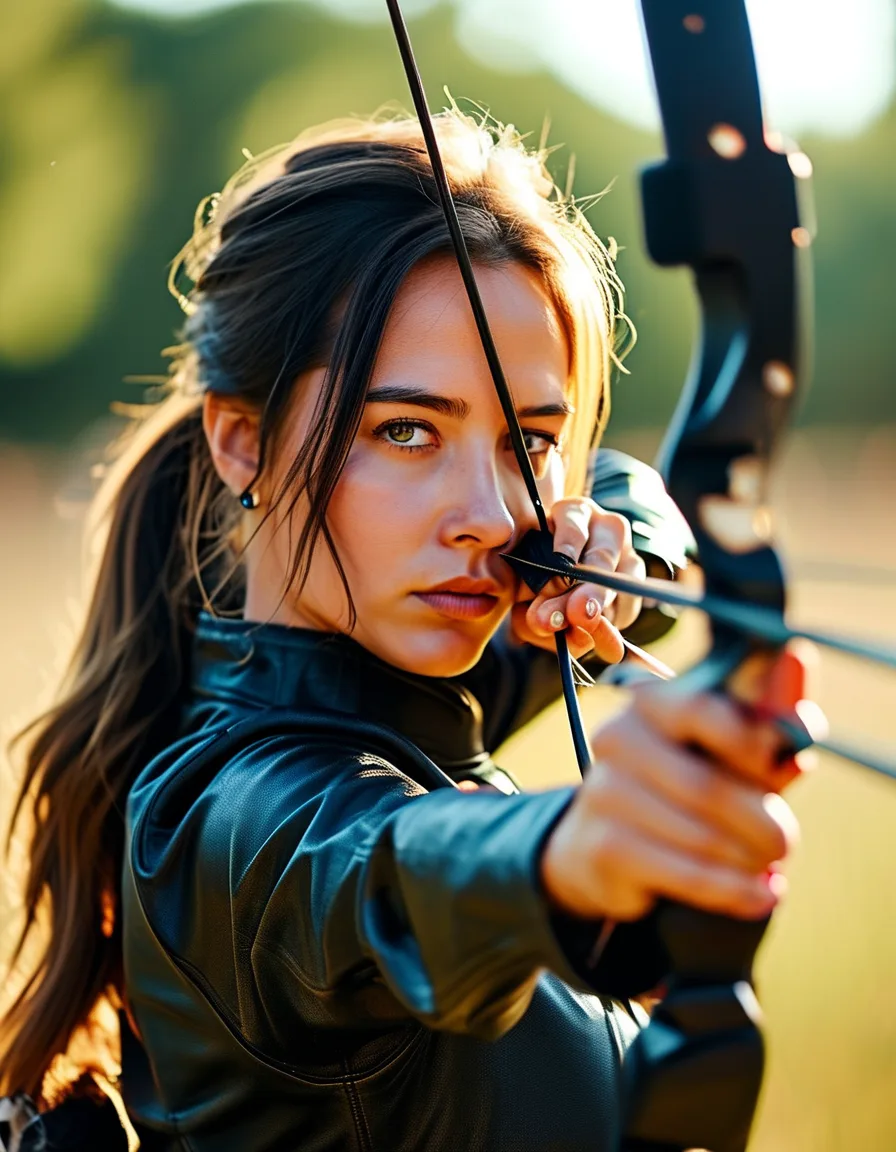
Why Do People Get Hooked on Archery?
The feedback loop. Draw, breathe, release, thunk — a complete cycle every twenty to thirty seconds, each one an immediate and unarguable report card.
That rhythm does something unusual to attention. Because the shot demands full focus for a few seconds and then releases it, and because the result is instant, there’s no room in your head for anything else. Archers describe the range the way other people describe meditation retreats, except this one keeps score.
There’s also a satisfying honesty to it. The arrow doesn’t care how you felt about the shot. If you rushed the release, the target reports it before you’ve finished lowering the bow. Very few activities give you that clean a signal.
What Happens at Your First Archery Lesson?
Skip the shopping trip entirely. This is the most important thing to know, because the temptation to buy a bow first is strong and it’s a mistake — you don’t yet know your draw length, your draw weight, or whether you’re right- or left-eye dominant. All three determine what bow you need.
Intro lessons at most ranges include everything: the bow, arrows, an arm guard, a finger tab, and a coach.
What to expect:
- Roughly an hour, typically $25–60 depending on the range.
- Eye dominance test first. Most coaches check this before anything else, because you shoot from your dominant eye’s side regardless of which hand you write with. A meaningful number of people discover they’re cross-dominant here.
- A very short distance to start — often 5 to 10 metres. Modern beginner setups are deliberately arranged for early wins, and you should expect to be hitting the target by the end of the session.
- Your stance will be corrected about eleven times. Every correction is a gift; take all eleven. Archery form is a stack of small details and coaches fix them in order of importance.
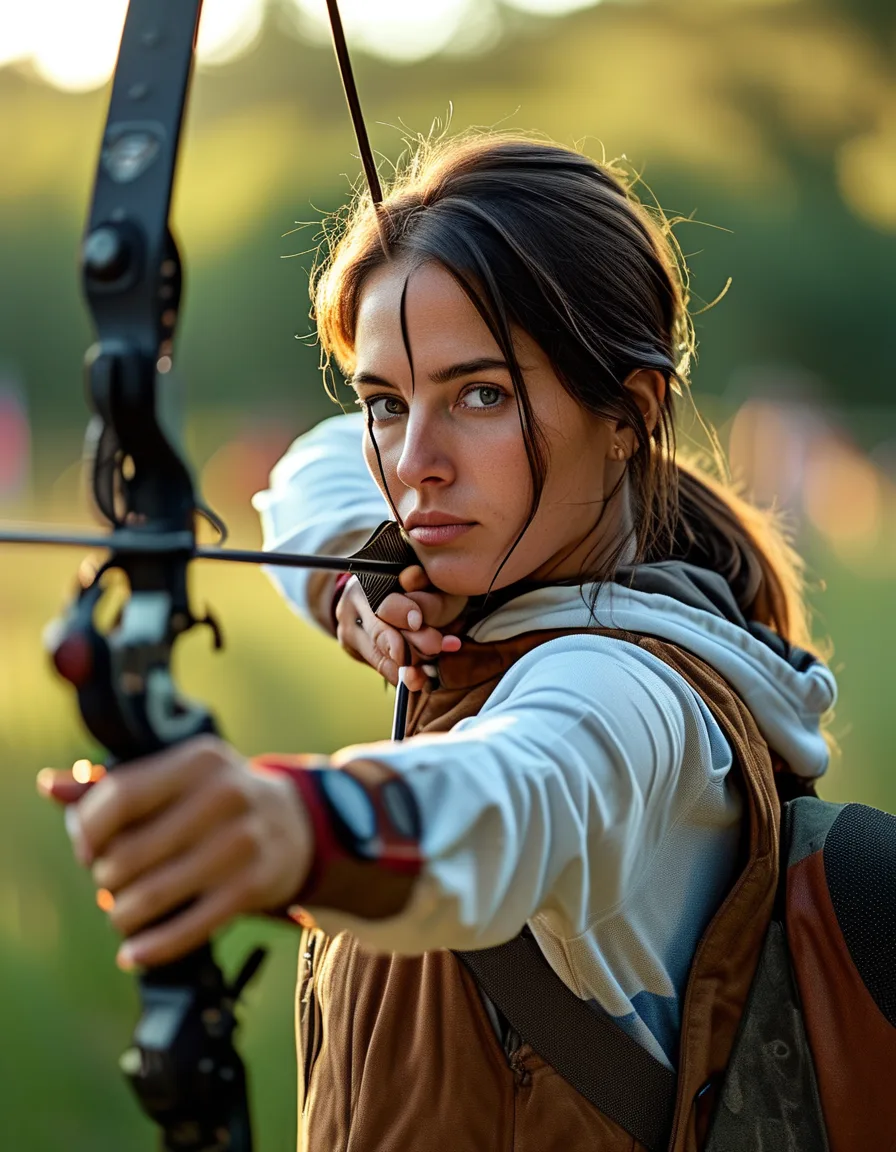
What to wear: a fitted top — loose sleeves and bowstrings have a famous rivalry, and losing it stings. Tie long hair back. Closed-toe shoes. Nothing on the chest that the string can catch, which includes hoodie drawstrings and dangling necklaces.
Is Archery Physically Demanding?
Your upper back will file a report tomorrow.
Drawing a bow is essentially a slow, loaded row — the same movement pattern as a cable row or a dumbbell row — held at full tension for several seconds, repeated 40 to 60 times in a session. The muscles doing the work are the rhomboids, mid and lower trapezius, and rear deltoids.
Those are precisely the muscles that desk life dissolves. Archery quietly builds the exact postural chain that hunching over a laptop weakens, which is a strange and welcome side effect for a sport people take up for the calm.
Draw weight scales like any gym progression. Beginners typically start at 15–20 lbs, which sounds trivial and is not after 40 repetitions. Ego stays parked at the door: shooting a bow that’s too heavy destroys form, and bad form practised repeatedly is much harder to unlearn than to avoid.
You’ll also notice your fingers, forearms, and core involved by the end — holding a bow steady is a whole-body stabilisation task.
What Nobody Tells You About Archery
Breathing is the actual technique. Draw on the inhale, settle at anchor, and release somewhere in the calm bottom of the exhale. Rushing the breath rushes the shot, and the target reports it immediately. This makes archery the rare sport where calming down is the skill rather than a precondition for it.
Consistency beats accuracy at first. Five arrows grouped tightly in the wrong place is a better result than five scattered around the bullseye — a group means repeatable form, and aim is an adjustment. Scatter means the form isn’t there yet.
Target panic is real and everyone gets it eventually. It’s an involuntary flinch or premature release that develops after months of shooting. Knowing it exists and has known fixes saves a lot of frustration later.
Anchor point is everything. The exact spot your drawing hand touches your face each shot — corner of mouth, jawline — must be identical every time. Most beginner inconsistency traces back here.
The calm follows you off the range. Practise the draw-settle-exhale loop for a month and you’ll catch yourself using it in traffic and before meetings. Archers mention this constantly, and it’s the reason a lot of people stay.
If you have a shoulder injury, rotator cuff issue, or neck problem, mention it to the coach at the start — draw weight and technique can be adjusted, and it’s much easier to set up correctly than to fix later.
FAQ
Do I need to buy a bow to start archery?
No, and you shouldn’t. Range lessons and beginner courses supply everything, and you need to know your draw length, draw weight, and eye dominance before a bow purchase makes any sense. Most people shoot for several months on club equipment first.
Is archery expensive as a hobby?
The entry is cheap — a lesson is $25–60 and range fees are typically $10–20 a session. A full beginner recurve setup runs roughly $250–400 when you’re ready, and it lasts years.
Which eye do I aim with if I’m right-handed but left-eye dominant?
Usually you shoot left-handed, following the dominant eye rather than the dominant hand. A coach will test this in your first ten minutes, and adjusting early is far easier than switching after a year of practice.
TL;DR:
- Book an intro lesson; don’t buy a bow first — equipment is included
- Fitted top, hair tied back, closed shoes; loose sleeves and bowstrings don’t mix
- Eye dominance decides which side you shoot from, not handedness
- Drawing is a loaded row — expect upper back and rear shoulder soreness
- Beginners start at 15–20 lbs draw weight; heavier ruins form
- Breath control is the actual technique: draw on the inhale, release on the exhale
- Tight groups matter more than bullseyes at first
One intro lesson, a fitted top, eleven stance corrections gratefully received. The first thunk is all it takes.
Keep Reading
This article is for general informational and styling purposes only. Fit, sizing, and product availability may vary.