5 Signs Your Bow's Draw Weight Is Too Heavy for You Right Now
Quick Answer: Shaking at full draw, dropping your bow arm early, using your back and shoulder instead of controlled muscles, and losing accuracy as a session progresses are the clearest signs a draw weight is currently too heavy. Dropping 5-10 pounds and rebuilding form often improves accuracy faster than pushing through.
A heavier draw weight feels like progress — until it starts costing you the form that actually makes archery work. Here are the 5 signs it’s time to dial back, at least for now.
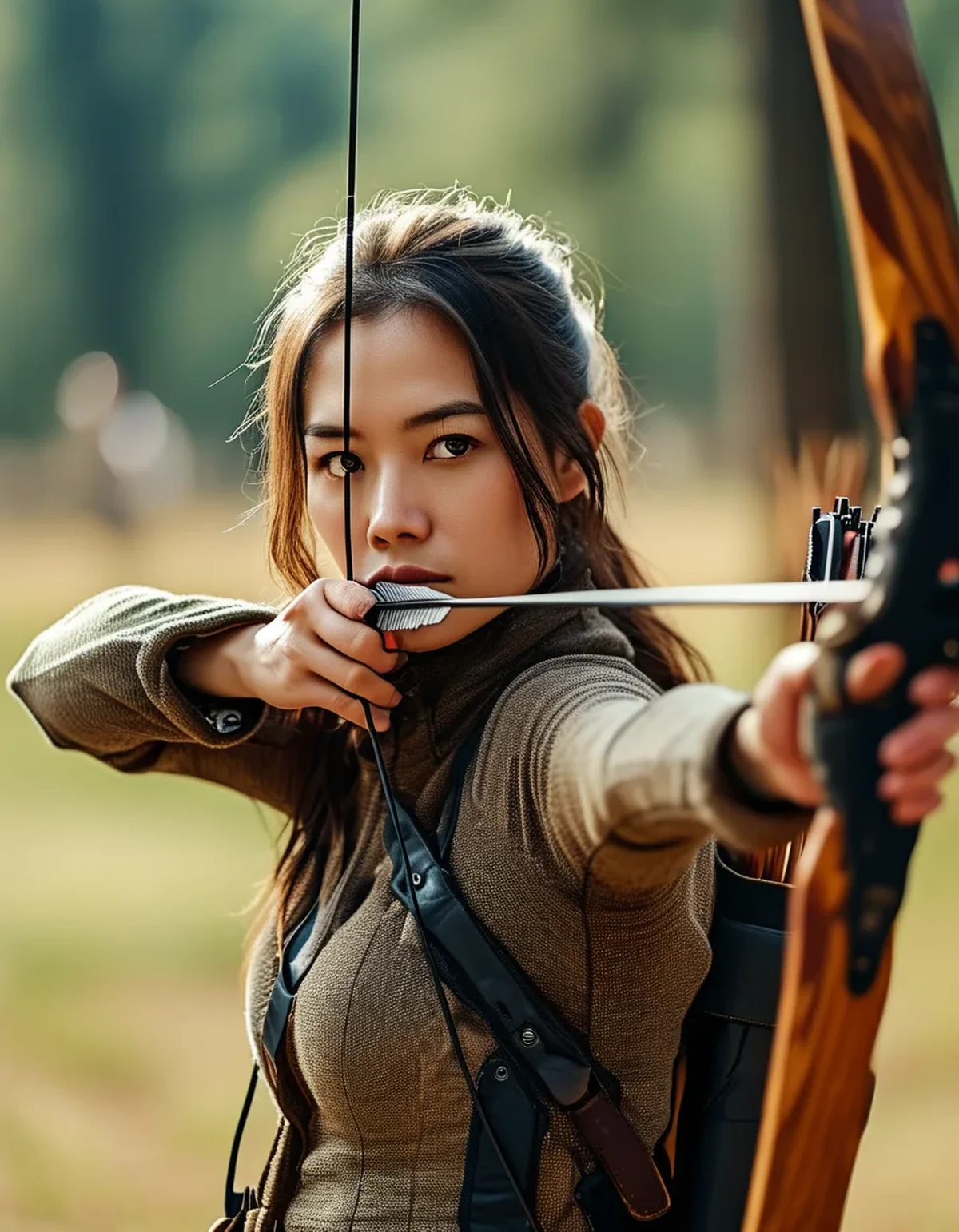
Sign 1: Shaking or trembling at full draw
A stable, controlled hold at full draw should feel effortful but steady. Visible shaking, especially in the draw arm or shoulder, means the muscles involved are at or past their controlled-strength limit for that weight — the bow is winning the hold, not you.
This isn’t something that resolves with ‘pushing through’ a few more shots; it typically gets worse as the session continues and fatigue accumulates.
Sign 2: Dropping your bow arm before or right after release
A stable bow arm through the shot is fundamental to accuracy. If your bow arm consistently drops before full follow-through, especially compared to how it holds at a lighter draw weight, that’s the heavier weight forcing a compensation pattern rather than clean form.
Sign 3: Using your back and shoulder to muscle through the draw
Proper draw technique should feel like a controlled, back-muscle-led pull, but when weight is too heavy, people often compensate by hunching a shoulder, twisting the torso, or using arm strength disproportionately to get to full draw. This compensation pattern, if repeated over weeks, tends to become the new normal form — which is much harder to unlearn than to prevent.
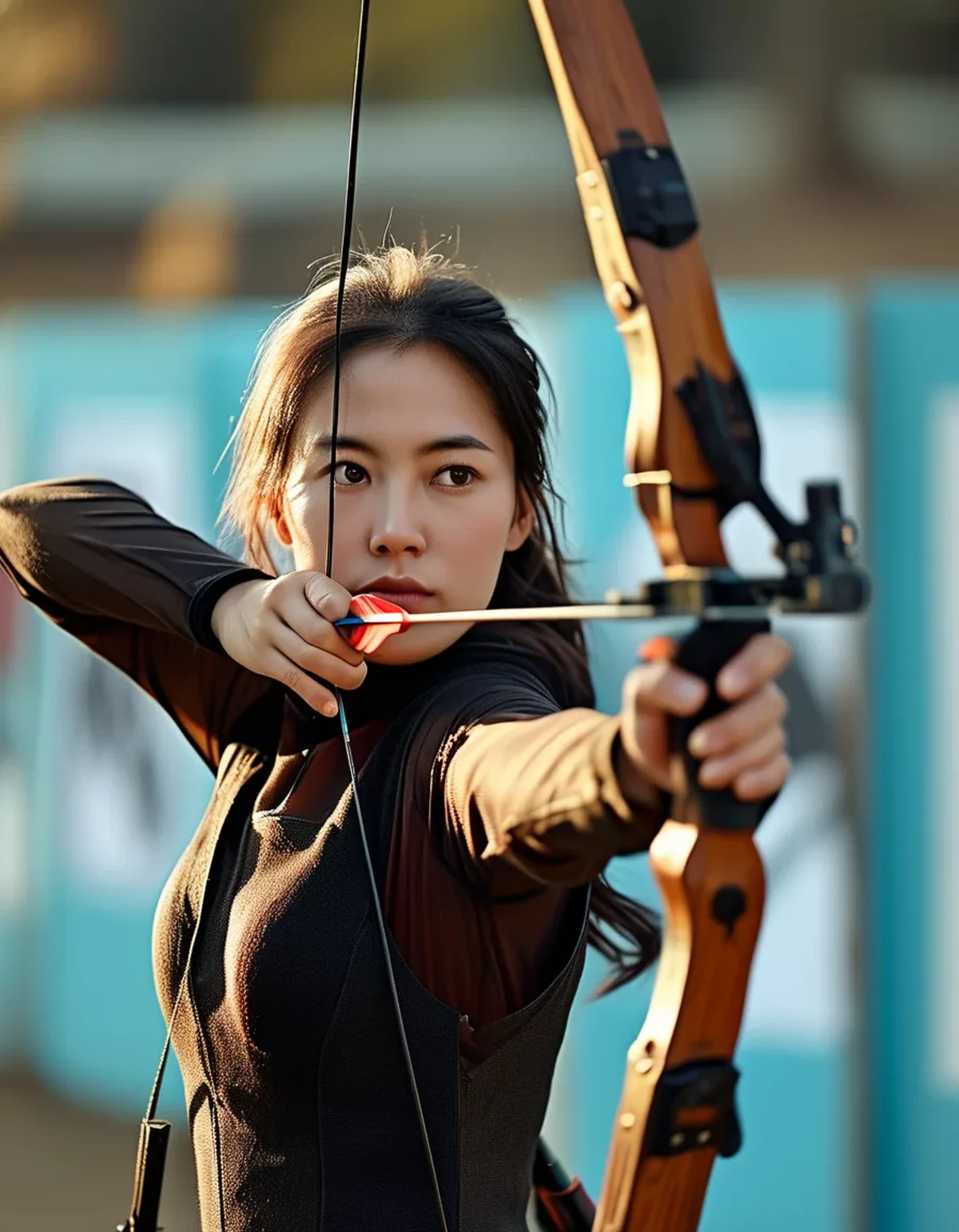
Sign 4: Accuracy that degrades as the session goes on
Some accuracy drop with fatigue is normal for any draw weight. But if your grouping falls apart dramatically after just 10-15 shots, well before a typical practice session would normally end, that’s a sign the weight is drawing down your controlled strength faster than your skill development can benefit from.
Sign 5: Dreading or avoiding practice because of physical strain
If draw weight discomfort is making you practice less often or for shorter sessions than you’d otherwise want, the weight is working against the actual goal — consistent practice volume, which matters more for skill development than the draw weight number itself.
FAQ: Archery Draw Weight Questions, Answered
Will dropping draw weight slow my progress?
Usually the opposite — practicing more reps with clean form at a manageable weight builds transferable skill faster than fewer reps with compensations at a heavier weight.
How much should I drop the weight if I see these signs?
5-10 pounds is a common, effective adjustment — enough to restore clean form without losing meaningful training stimulus.
When should I try increasing weight again?
Once you can complete a full practice session with stable form and no accuracy drop-off signs at the current weight, typically several weeks of consistent clean practice, not a single good session.
TL;DR:
- Shaking, arm drop, and back/shoulder compensation are form breakdown signals
- Accuracy degrading fast within a session means the weight is too heavy right now
- Dropping 5-10 pounds often improves both form and accuracy faster than pushing through
- Consistent practice volume at manageable weight beats occasional heavy-weight sessions
Draw weight is a training variable to adjust, not a badge to defend.
Keep Reading
This article is for general informational and styling purposes only. Fit, sizing, and product availability may vary.