Buying Your First Bow? Here's What Actually Matters (and What Doesn't)
Quick Answer: For a first bow, draw length and draw weight fitted to your body matter far more than brand or bow type. Get measured at a shop, start light (15-25 lbs for most new adult shooters), and treat everything else — color, accessories, brand reputation — as secondary.
Walk into any archery shop and you’ll see walls of bows at wildly different prices, all implying the expensive one shoots better. For a beginner, that’s mostly noise — the fit is what actually determines whether your first months of shooting feel good or frustrating.
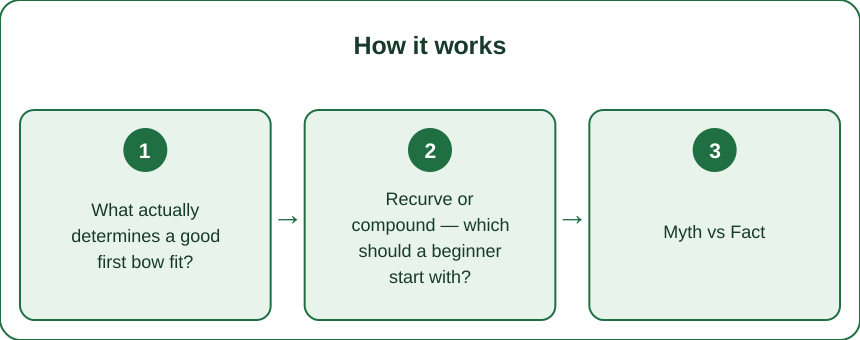
What actually determines a good first bow fit?
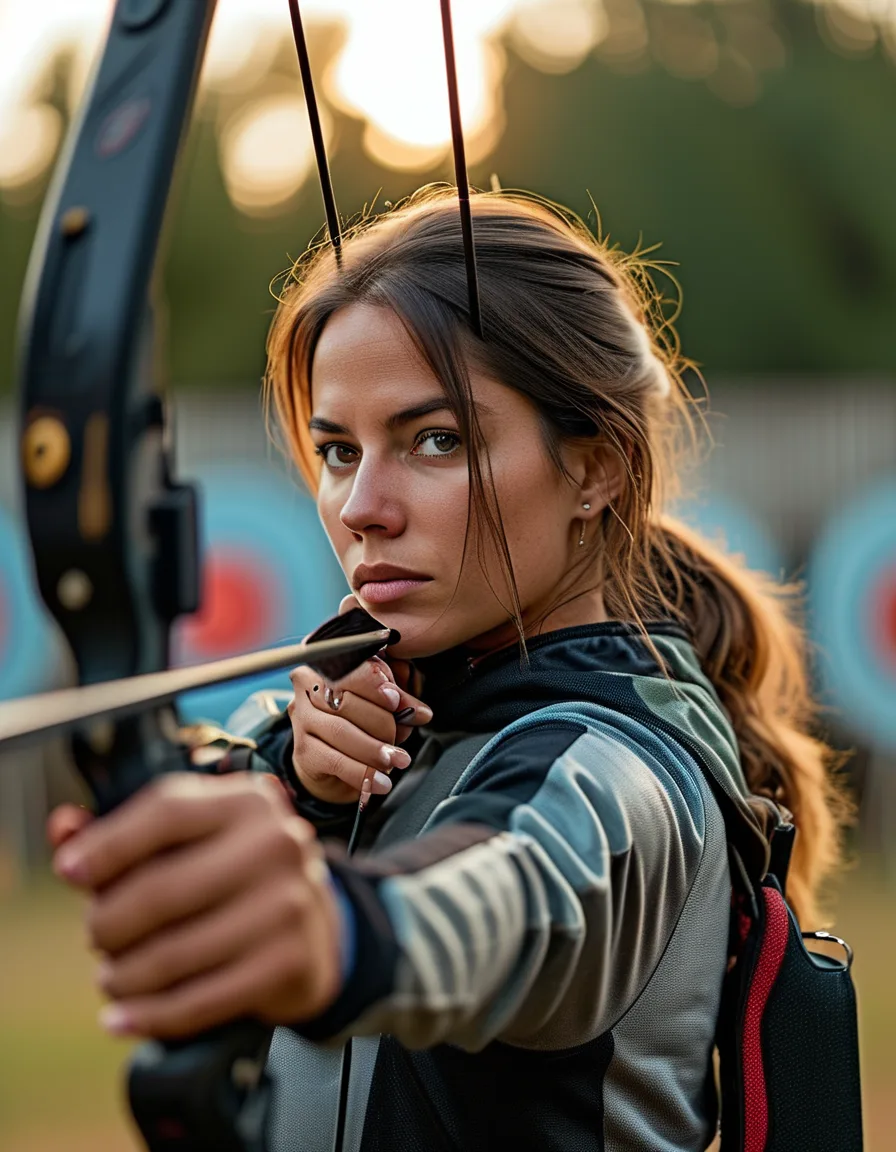
Draw length and draw weight, full stop. Draw length is measured from a shop (usually your wingspan divided by 2.5, then fine-tuned) and determines how far you pull the string — too long or short throws off your entire form before you’ve even released an arrow.
Draw weight is how much force you pull against. Most new adult shooters start at 15-25 lbs — light enough to maintain good form for 20-30 shots without fatigue-induced bad habits creeping in.
Recurve or compound — which should a beginner start with?
Recurve is the more common beginner recommendation, mainly because it teaches raw form without a mechanical let-off masking technique errors. It’s also generally cheaper to start with and is what most beginner classes and Olympic-style programs use.
Compound bows use pulleys for a mechanical advantage that makes holding at full draw easier, which some beginners prefer — but it can mask form issues that show up later. Either is a legitimate starting point; the fit principles apply to both.
Myth vs Fact: First Bow Buying Edition
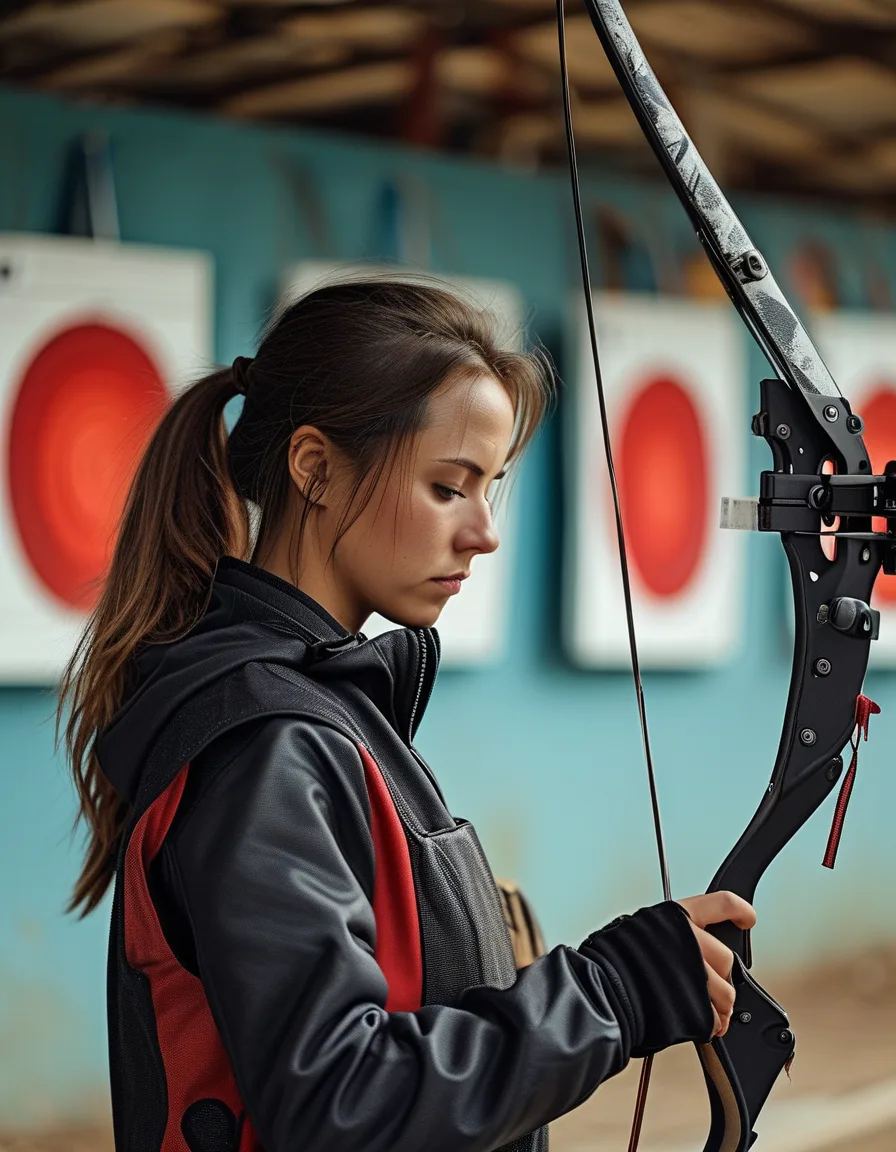
Myth: Heavier draw weight means faster progress. Fact: Starting too heavy causes form breakdown (shoulder creeping, inconsistent anchor point) that takes longer to unlearn than it would have taken to simply build up weight gradually.
Myth: You need a expensive bow to know if you like archery. Fact: A well-fitted entry-level bow (often $150-300 for a starter recurve setup) teaches proper form just as well as a $600 one.
Myth: Bow brand matters a lot for beginners. Fact: At the beginner level, fit and consistency in practice matter enormously more than brand — most reputable brands’ entry bows perform comparably.
What should you actually budget for a first setup?
Beyond the bow itself, budget for: arrows sized to your draw length (arrows too long or short affect both safety and accuracy), an arm guard and finger tab or glove, and if going recurve, a proper bow case.
A realistic beginner recurve setup with these essentials commonly runs $200-400 total — resist the upsell toward advanced sights and stabilizers until you’ve shot regularly for a few months and know what you actually want.
FAQ: First Bow Questions, Answered
How do I know my correct draw length?
A shop can measure this in under 5 minutes using your wingspan and an actual draw check — don’t estimate from an online formula alone if you can get measured in person.
Should I buy or rent my first bow?
Many ranges offer rentals for the first several sessions — a reasonable way to confirm you enjoy the sport before buying your own properly-fitted setup.
How often should beginners practice with a new bow?
2-3 sessions a week of 20-30 shots builds consistent form faster than occasional long sessions, which tend to reinforce fatigue-based bad habits.
TL;DR:
- Draw length and draw weight fit matter far more than brand or bow type
- Start at 15-25 lbs draw weight; heavier now means worse form to unlearn later
- Recurve is the common beginner pick for pure form-building, but either type works
- Budget $200-400 for a full beginner setup — skip advanced accessories at first
Get measured, start light, and let the fit — not the price tag — guide your first bow.
Keep Reading
This article is for general informational and styling purposes only. Fit, sizing, and product availability may vary.